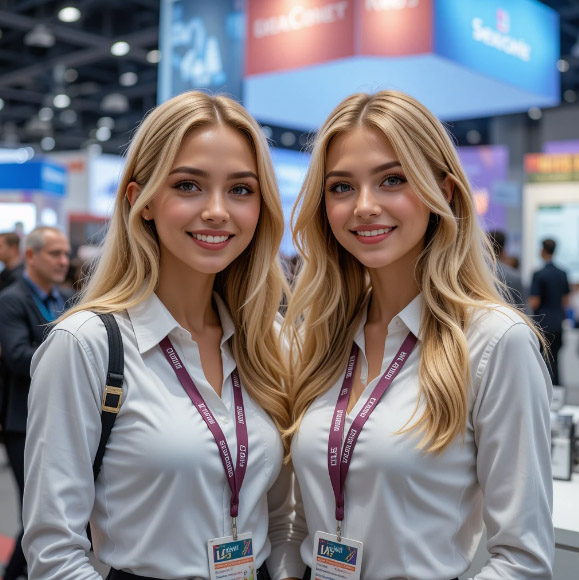
The Vital Role of Russian Interpreters in International Exhibitions
In the fast-paced world of international trade shows, expos, and industry exhibitions, clear communication is the key to successful business connections. Exhibition Russian interpreters play a crucial role in facilitating interactions between Russian-speaking exhibitors, visitors, and global partners. Whether at industrial fairs, tech expos, or art exhibitions, these professionals ensure that language barriers do not hinder networking, sales, or collaborations.
Who Are Exhibition Russian Interpreters?
Exhibition interpreters specialize in providing real-time translation in dynamic, multilingual environments. Unlike conference interpreters who work in booths, exhibition interpreters often move between stands, assisting with:
- B2B negotiations – Helping companies discuss partnerships, contracts, and sales.
- Product demonstrations – Accurately explaining technical specifications to potential buyers.
- Networking & meetings – Enabling smooth conversations between exhibitors and visitors.
They are commonly employed at:
✔ Trade fairs (e.g., Hannover Messe, Canton Fair, EXPOTECH)
✔ Art & cultural exhibitions (e.g., Venice Biennale, Moscow International Film Festival)
✔ Tech & innovation expos (e.g., CES, Web Summit, Innoprom)
Key Skills of an Exhibition Russian Interpreter
1. Industry-Specific Knowledge
- Must understand terminology in fields like engineering, IT, medicine, or finance, depending on the exhibition theme.
2. Flexibility & Quick Thinking
- Unlike scripted events, exhibitions require on-the-spot translations in unpredictable settings.
3. Strong Interpersonal Skills
- Must engage visitors confidently, acting as a cultural bridge between Russian and foreign businesses.
4. Business Acumen
- Helps in negotiations, lead generation, and deal facilitation, not just language translation.
Why Are They Essential for Exhibitions?
1. Boosting International Sales
- Many Russian-speaking buyers prefer discussing deals in their native language for clarity.
2. Enhancing Visitor Experience
- Exhibitors who provide interpreters attract more engagement and trust from global attendees.
3. Preventing Miscommunication
- Technical or legal misunderstandings can derail deals—interpreters ensure precision.
4. Expanding Market Reach
- Companies gain access to Russian-speaking markets (Russia, CIS, Eastern Europe) with ease.
Challenges Faced by Exhibition Interpreters
- Noise & distractions – Unlike quiet conference rooms, exhibitions are loud and chaotic.
- Long working hours – Must remain sharp throughout multi-day events.
- Last-minute requests – Sudden meetings or impromptu negotiations require quick adaptation.
The Future of Exhibition Interpretation
- AI-Assisted Tools – Some exhibitors use real-time translation apps, but human interpreters remain vital for nuance.
- Hybrid Exhibitions – Virtual trade shows require interpreters skilled in remote simultaneous interpretation (RSI).
- Specialized Demand – Growth in green energy, AI, and defense expos increases need for niche interpreters.
Exhibition Russian interpreters are more than just translators—they are business facilitators, cultural ambassadors, and deal-makers. In an era where global trade relies on seamless communication, their expertise ensures that companies maximize opportunities at international exhibitions.
For businesses participating in trade fairs, hiring a professional exhibition interpreter is a strategic investment—one that can mean the difference between a missed opportunity and a successful deal.