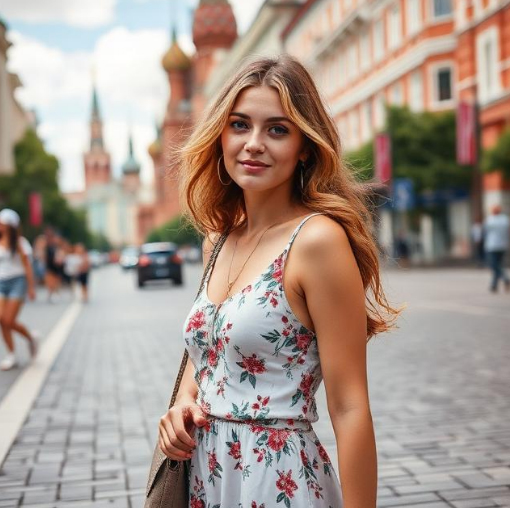
Ask most travelers to picture Moscow, and they will likely describe snowy streets, fur hats, and breath visible in freezing air. And yes, winter in the Russian capital is a dramatic, beautiful experience. But summer? Summer transforms Moscow into something entirely different. The city sheds its heavy coat, spills onto outdoor terraces, and buzzes with an energy that rivals any European capital. Here are five compelling reasons to visit when the sun is high and the days are long.
1. Long, Light-Filled Days That Never Seem to End
Moscow sits at 55° north latitude, which means summer days are gloriously long. By mid-June, the sun rises around 3:30 AM and does not set until nearly 9:30 PM. That gives you roughly 18 hours of daylight—almost twice what you would get in winter.
What does this mean for a visitor? You can pack an astonishing amount into a single day. Start with a morning visit to Red Square before the crowds arrive. Spend the afternoon exploring the Kremlin’s cathedrals and the Armoury Chamber. Take a break for a late dinner outdoors, then head to Gorky Park as the sun finally begins to dip below the skyline. You will not feel rushed. The extended daylight encourages a more relaxed, spontaneous rhythm—lingering at a sidewalk cafe, taking a detour down an interesting street, or simply sitting on a bench in a garden at 8:00 PM with the sun still warm on your face.
And while Moscow does not experience the full “White Nights” of St. Petersburg, the twilight lingers until nearly midnight. The sky turns deep cobalt rather than black. The city’s illuminated buildings and bridges take on a special glow against the darkening blue, and evening walks feel magical rather than hurried.
2. Perfect Weather for Exploring a Walkable City Center
Moscow in summer enjoys average high temperatures of 22-25°C (72-77°F). Even on the warmest days, the humidity is generally low, and evenings cool down to a comfortable 12-15°C (54-59°F). Rain showers are common but usually brief—the kind that send you ducking into a cozy cafe for 20 minutes before the sun reappears.
This is the weather Moscow was made for. The historic center is surprisingly compact. You can walk from Red Square to the Cathedral of Christ the Saviour via the Patriarchal Bridge in 15 minutes, crossing the Moscow River with spectacular views. The Arbat area’s pedestrian streets invite aimless wandering. The neighborhoods around Tverskaya Boulevard offer leafy promenades perfect for strolling.
Unlike winter, when you rush from heated museum to heated metro car, summer allows you to simply be outside. You can sit at a table on Nikolskaya Street and watch the world go by. You can walk from the Tretyakov Gallery to Gorky Park without needing to thaw out halfway. You can actually enjoy the city’s many outdoor staircases, courtyards, and open squares as they were meant to be enjoyed.
3. Moscow’s Parks and Gardens Come Alive
Muscovites take their parks seriously, and summer is when these green spaces truly shine. The city has invested heavily in its public gardens over the past decade, transforming them into world-class recreational destinations.
Gorky Park is the crown jewel. Stretching along the Moscow River, it offers miles of bike paths, outdoor gyms, beach volleyball courts, and an open-air cinema. Rent a paddleboat on the pond, grab a coffee from a stylish kiosk, or simply claim a lounge chair and read. On weekends, the park fills with young Muscovites playing badminton, practicing yoga, or dancing to DJ sets.
Zaryadye Park, opened in 2017 just behind Red Square, is a stunning feat of modern landscape architecture. It represents Russia’s four major ecosystems—tundra, steppe, forest, and wetland—all within a 15-minute walk from the Kremlin. The highlight is the “Floating Bridge,” a 70-meter cantilevered walkway that extends over the Moscow River with unbeatable views of St. Basil’s Cathedral.
Muzeon Art Park sits next to Gorky Park and displays hundreds of Soviet-era statues toppled after the fall of communism. Walking among the massive stone Lenins and Stalins on a sunny afternoon is a surreal, thought-provoking experience.
The Summer Garden (Letny Sad) offers a quieter, more formal alternative—perfect for escaping the city bustle for an hour.
Tip: Many parks rent bicycles, scooters, and rollerblades. You can also find plenty of cafes and ice cream stands, so pack a picnic or just buy lunch there.
4. A Packed Calendar of Festivals, Concerts, and Outdoor Events
Summer is when Moscow’s cultural calendar explodes. The city hosts dozens of festivals, from highbrow classical music to street food fairs, and almost all of them take place outdoors.
- Moscow International Film Festival (late June): Russia’s largest film event brings international stars, screenings in historic theaters, and open-air showings in parks.
- Usadba Jazz Festival (June-July): Held in the grounds of a beautiful 18th-century estate, this is Moscow’s premier jazz event, attracting world-class musicians.
- Moscow Summer Music Festival (July-August): Free classical concerts in the Hermitage Garden, performed by students and graduates of the Moscow Conservatory.
- Circle of Light (September, but summer-adjacent): While technically autumn, the planning and early events begin in late summer. The city’s buildings and bridges become canvases for spectacular video projections.
- Flower Jam Festival (July-August): A city-wide competition that turns Moscow’s boulevards and squares into elaborate floral installations. It is beautiful, free, and everywhere.
- Street food and market festivals: Every weekend, different squares host markets featuring food from Russian regions, craft beer, artisanal goods, and live music. The “Moscow Seasons” cycle of festivals ensures there is almost always something happening on Tverskaya Square or Revolution Square.
Beyond official festivals, summer also brings the regular rhythm of outdoor life: buskers on Arbat, impromptu dance performances at VDNKh, and open-air film screenings at almost every major park. Check local listings before you go; you will likely stumble upon something wonderful without even trying.
5. Al Fresco Dining, Rooftop Bars, and Nightlife Under the Stars
When the weather warms, Moscow’s dining and nightlife scenes move outdoors. The city is dotted with charming terraced cafes, beer gardens, and some truly spectacular rooftop bars.
For a romantic dinner: Book a table at the terrace of “White Rabbit” (16th floor with a glass dome and a 360-degree view of the city). Or try “Bontempi” on the Patriarch’s Ponds, where you can dine beside the water made famous by Bulgakov’s The Master and Margarita.
For drinks with a view: The rooftop bar at the Strelka Institute (Red October district) offers stunning views of the Kremlin and the Moskva River. The “City Space” bar on the 34th floor of the Swissotel Krasnye Holmy is another favorite, especially at sunset. For a more relaxed vibe, “Gipsy” in Gorky Park has a large outdoor terrace with lounge seating, DJs, and a young crowd.
For a casual evening: Try “Depot” food hall near the Belorusskaya metro station—a sprawling former tram depot converted into a trendy food market with dozens of vendors and plenty of outdoor seating. Or head to “Danilovsky Market,” a more traditional market that has been renovated into a hip food destination.
Why this matters in summer: In winter, dining out means rushing between heated buildings. In summer, dinner becomes an event. You can linger for hours, sharing a bottle of Georgian wine and a plate of khachapuri, as the light slowly fades and the city hums around you. The long twilight makes every meal feel special, and the vibrant street life means you will never feel alone.
Bonus Reason: Fewer International Tourists
Here is a secret that surprises many people: Moscow sees far fewer international tourists than Paris, Rome, or even St. Petersburg. While the Hermitage and Peterhof in St. Petersburg are overrun with cruise ship crowds, Moscow’s major sights—the Kremlin, the Tretyakov Gallery, the Novodevichy Convent—see only a fraction of the visitors. Summer is the busiest season, but “busy” in Moscow still means a 15-minute wait to buy a ticket, not an hour. You will share Red Square with thousands of Russians (summer is domestic travel season), but you will not be fighting through hordes of international tour groups.
Practical Tips for Your Summer Moscow Visit
- Book accommodation early: June through August is peak season for domestic and international travelers. Central hotels fill up, and prices rise accordingly. Book at least two to three months in advance.
- Pack for anything: Summer weather in Moscow is unpredictable. Bring a light jacket or sweater for evenings, an umbrella for sudden showers, and comfortable walking shoes (you will log 15,000-20,000 steps daily).
- Use the metro: It is beautiful, cheap, air-conditioned (mostly), and far faster than dealing with Moscow’s notorious traffic.
- Embrace the late sun: Do not plan to eat dinner at 6:00 PM. Locals often dine at 8:00 or 9:00 PM, and restaurants fill up late. Adjust your schedule—nap in the afternoon if needed, then stay out until midnight.
- Stay hydrated: Those long days of walking can dehydrate you quickly. Carry a water bottle; there are public drinking fountains in many parks.
- Learn basic Cyrillic: Even just the letters for “M” (metro), “P” (restaurant), and “Аптека” (pharmacy) will help immensely.
The Bottom Line
Moscow in summer is not the cold, intimidating capital of popular imagination. It is a warm, green, surprisingly laid-back city that knows how to enjoy itself. The long days give you more time to explore. The parks offer respite from urban intensity. The festivals and outdoor cafes invite you to slow down and join the local rhythm. And the sights—the kremlins, cathedrals, and museums—are no less magnificent just because the sun is shining.
If you have only ever pictured Moscow in winter, it is time to reconsider. Book your trip for June, July, or early September. Experience the city when the chestnut trees are blooming, the fountains are flowing, and the sun does not seem to want to set. You will leave wondering why anyone would visit at any other time of year.