In the world of fashion, first impressions are everything. But for international brands, designers, and buyers looking to enter the Russian market, a stunning collection is only half the battle. The other half—often the difference between a signed contract and a missed opportunity—is clear, precise, and culturally aware communication.
As Moscow solidifies its status as a burgeoning fashion capital, the city’s exhibition calendar has become increasingly packed with high-stakes trade events. At the heart of these gatherings, professional interpreters have evolved from a helpful addition to a strategic necessity.
The Main Event: CPM – Collection Première Moscow
CPM – Collection Première Moscow stands as the undisputed heavyweight of the Russian fashion exhibition calendar. Held biannually at the Expocentre in Moscow, this event is Russia’s largest international trade fair for fashion, apparel, and accessories.
The scale is impressive. Each season, over 950 brands from more than 30 countries—including Russia, Turkey, Italy, Kazakhstan, China, India, Iran, and Azerbaijan—gather to present their upcoming collections. They are met by over 21,000 retailers, buyers, and industry professionals.
This is where serious business happens. Russian buyers are not browsing; they are sourcing, negotiating, and placing orders. For international exhibitors, navigating these high-volume interactions requires more than a phrasebook.
Beyond the Runway: Other Key Fashion Events in Moscow
While CPM is the flagship, several other prominent events in 2026 create a sustained demand for specialized interpretation.
Moscow Fashion Week (March 14–19, 2026)
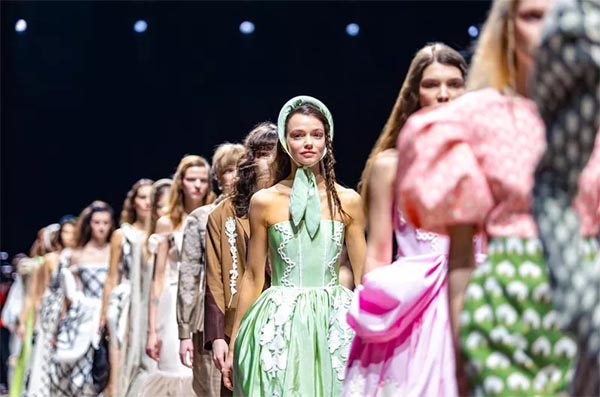
Russia’s most glamorous public-facing fashion event returns to the Central Exhibition Hall ‘Manege’ in March 2026. Featuring over 100 shows by both famous and emerging Russian and international designers, the event draws massive media attention.
However, the most critical activity for business happens in the showroom. Here, designers meet directly with retail buyers, distributors, and representatives from online platforms. Interpreters working in this environment facilitate the deals that get collections from the runway into Russian stores.
RFT EXPO at Sadovod
For a focus on trade and textile sourcing, RFT EXPO Moscow at the Sadovod exhibition center is critical. This event is a primary meeting point for international textile manufacturers, clothing suppliers, and Russian apparel brands. The atmosphere is less about glamour and more about the nuts and bolts of production—fabric quality, minimum order quantities, and pricing.
Textile Collection Moscow (September 15–17, 2026)
Positioned as a unique exhibition covering the entire apparel production process, Textile Collection Moscow has taken on new importance. With European sanctions affecting the availability of fabrics and accessories, the event has become a crucial platform for non-European nations (particularly China, India, and Turkey) to step in and fill the supply gap.
Niche Segments: Modest Fashion
Even specialized segments are growing. The KazanForum 2026, held in May, features a “Modest Fashion Day” designed to support designers working in this rapidly growing segment and connect them with international experts.
Why a Fashion Interpreter is Different
Interpreting at a medical or engineering exhibition requires technical precision. Interpreting at a fashion exhibition requires that, plus a heavy dose of cultural intelligence and presentation.
1. The Vocabulary of Style
Fashion has its own dense lexicon. Terms like “deadstock fabric,” “tech packs,” “draping,” “silhouette,” and “fast fashion” have no direct, casual translations. A skilled interpreter must be fluent in this jargon to accurately convey details about materials, production processes, and design inspiration.
2. The Art of Negotiation
Fashion deals are often as much about relationship and timing as they are about price. A buyer might admire the creativity of a collection but express concerns about delivery timelines or logistics. An interpreter must capture the nuance, ensuring the designer doesn’t mistake a business hesitation for an aesthetic critique.
3. The Image Factor
In fashion, the messenger is part of the message. As one Russian interpreting agency notes, the interpreter is an extension of the brand’s image, expected to not only facilitate communication but also “keep in line with the concept and philosophy of your company” through their professional appearance and demeanor.
A Case Study in Professional Support
The demand for this specialized skill is well recognized. Exhibitors at CPM or RFT EXPO frequently pre-book interpreters who possess specific qualities: industry knowledge, fluency in fashion jargon, professional demeanor, and discretion.
These professionals are not just language conduits. They provide “booth assistance” by helping exhibitors explain products and pricing, and they offer logistical guidance to international visitors navigating the complexities of Moscow’s business environment.
What to Look for in a Russian Fashion Interpreter
For a designer or brand manager planning to exhibit in Moscow, a general interpreter is a risk. A dedicated fashion industry professional is an investment.
| Qualification | Why It Matters for Fashion |
|---|---|
| Jargon Fluency | Accurately translates technical terms like “MOQ,” “tech pack,” “supply chain,” and designer inspiration |
| Negotiation Experience | Can handle the pressure of buyer meetings, maintaining tone and intent |
| Professional Presentation | Their appearance reflects on your brand; image is paramount in fashion |
| Russian Business Etiquette | Understands the cultural protocols for building relationships in the Russian market |
| Logistical Capability | Can assist beyond the booth—with transportation, orders, and follow-up communications |
Looking Forward
As Russia continues to develop its own fashion industry in response to changing global markets, the international connections forged at events like CPM, Moscow Fashion Week, and Textile Collection Moscow will only grow in importance. For every successful collection that captures the imagination of the Russian consumer, there is likely a professional interpreter working quietly in the background, ensuring the language of style needs no translation.
For organizations planning to exhibit at CPM, Moscow Fashion Week, or RFT EXPO, securing a qualified fashion industry interpreter should be a priority listed alongside shipping samples and printing lookbooks—it is critical to closing the deal.