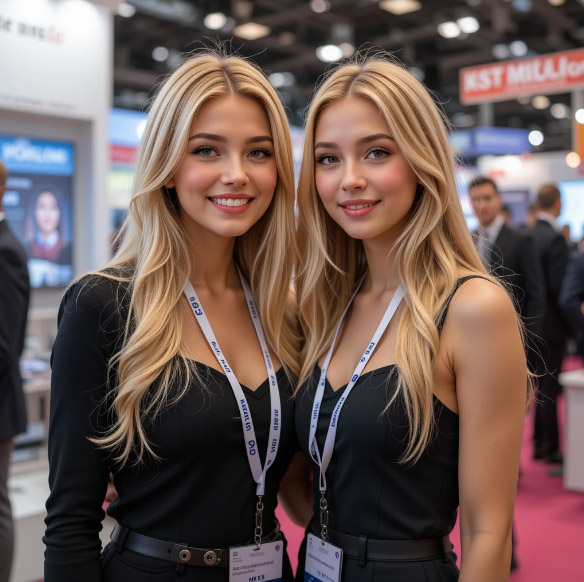
The vast exhibition halls of Moscow’s Fabrics Fair are a sensory tapestry. The air is filled with the soft rustle of silk, the sturdy feel of denim, and the whisper of innovation in smart textiles. It’s a world where touch is as important as sight, where the weight, drape, and composition of a material tell its story. For international mills, designers, and manufacturers, this fair is a pivotal gateway to the lucrative Russian fashion, upholstery, and interior design markets. But in an industry built on nuance, technicality, and aesthetic subtlety, the most crucial thread connecting global suppliers to local buyers is the Russian interpreter.
These professionals are far more than translators; they are the essential weavers, blending the precise language of textile science with the evocative language of design to create understanding and close deals.
Translating the Fiber: Mastering a Language of Texture and Tech
The language of textiles is deeply specialized. A simple error in translation can mean the difference between selling a luxury fabric and a costly misunderstanding. A conversation here is not just about price per meter; it’s about a material’s very essence.
A professional interpreter at this fair must be fluent in a complex lexicon that includes:
- Composition & Weave: Precisely differentiating between “cotton poplin,” “linen twill,” “wool crepe,” or “jacquard weave” (поплин, твил, креп, жаккард). They must accurately convey blends like “65% polyester, 35% viscose.”
- Technical Specifications: Explaining terms like “thread count” (плотность ткани), “GSM” (граммаж), “abrasion resistance” (стойкость к истиранию), and “colorfastness” (устойчивость окраски).
- Finishes and Treatments: Articulating the benefits of a “Teflon coating” (тефлоновое покрытие), “enzyme wash” (энзимная промывка), “mercerization” (мерсеризация), or “flame-retardant treatment” (огнезащитная пропитка).
- Sustainability & Certification: Conveying the importance of “organic certification” (органический сертификат), “OEKO-TEX Standard 100,” and “recycled materials” (переработанные материалы).
This command of terminology builds immediate credibility, assuring Russian designers and manufacturers that they are dealing with a knowledgeable and reliable partner who speaks their technical language.
The Art of the Sample: Interpreting Feel and Drape
At a fabrics fair, the product must be touched and seen. The interpreter’s role becomes kinetic, moving with the presenter and the client. When an Italian mill representative drapes a new wool-cashmere blend over a client’s arm, the interpreter must simultaneously explain the “exceptional drape” (прекрасная драпируемость), “soft hand-feel” (мягкая рука), and “bi-seasonal weight” (всесезонный вес).
They are the voice that translates the tactile experience, helping the buyer understand not just the specifications on a tag, but the potential of the fabric in a finished garment or piece of furniture. This ability to interpret the sensory qualities of a product is what transforms interest into a sale.
Negotiating the Bolt: From Aesthetics to Agreements
The business discussions at the fair are as complex as the fabrics themselves. Negotiations involve minimum order quantities (MOQs), lead times, pricing tiers, and exclusivity contracts for specific regions or product lines.
The interpreter acts as a cultural and commercial liaison, navigating the formalities of Russian business etiquette. They ensure that delivery schedules are clearly understood, that payment terms are unambiguous, and that any concerns about consistency across dye lots are fully addressed. By preventing misunderstandings in these critical areas, they protect both parties and lay the groundwork for a strong, long-term partnership.
The Trend Spotter and Cultural Bridge
Fabric is driven by trends. An interpreter with experience in the industry can also serve as a subtle cultural advisor, helping an international brand understand local preferences. They might note the current Russian demand for certain colors, patterns, or sustainable materials, providing invaluable context that goes beyond mere translation.
They are also tasked with conveying the brand’s story—whether it’s the heritage of a Scottish tweed mill or the innovative eco-credentials of a new recycled polyester. This storytelling builds an emotional connection around the fabric, elevating it from a simple commodity to a material with provenance and purpose.
An Indispensable Investment
For an international fabric producer, the cost of exhibiting in Moscow is significant. To attempt this without a professional interpreter who grasps the intricate world of textiles is to risk having your most luxurious fabric remain on the roll, its value lost in translation.
Hiring a specialized Russian interpreter for a fabrics fair is not an expense; it is a strategic investment in clarity and connection. It is the essential tool for ensuring that the quality, innovation, and beauty of your product are understood, appreciated, and purchased. They are the skilled weavers who bind the threads of international commerce, ensuring every conversation is as smooth and strong as the finest silk.