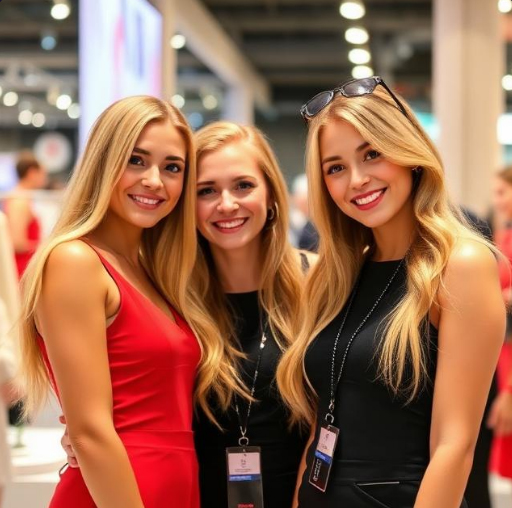
The Moscow advertising industry is a dynamic sector, and its premier event, the REKLAMA exhibition, stands as its most important annual gathering. Held at the iconic VDNKh Exhibition Center, REKLAMA attracts over 150 companies and more than 19,000 professional visitors from across Russia, Belarus, and China, showcasing the entire spectrum of advertising technologies—from wide-format digital printers and LED displays to signage and promotional merchandise.
In this high-stakes environment, where manufacturers compete for contracts with Russian distributors and corporate buyers, clear communication is not a luxury—it is a necessity. A professional interpreter is a strategic partner essential to successful business outcomes.
Why the Advertising Industry Demands Specialized Interpreters
The advertising sector is distinct from many other industries. It blends technical precision with creative nuance. An interpreter at a show like REKLAMA must do more than convert words; they must bridge the gap between languages while preserving both the technical accuracy and persuasive intent of the conversation.
1. Mastering Diverse Technical Domains
The exhibits at an advertising fair cover a wide range of technical products. An interpreter must be fluent in the vocabulary of:
- Digital and Textile Printing: Discussing specifications for wide-format printers, color management, and substrate compatibility.
- Signage and Lighting: Explaining the benefits of LED technology, energy efficiency, and durability.
- Promotional Products: Negotiating terms for branded merchandise and corporate gifts.
A translator who confuses a “flatbed printer” with a “roll-to-roll printer” or misrepresents the output speed of a machine could cost an exhibitor a potential sale.
2. Navigating Russian Business Culture
Russian business etiquette in the industrial sector is often direct and relies heavily on building personal trust. An international exhibitor from China, Europe, or the US might find this style challenging to navigate. A skilled Russian interpreter serves as a cultural mediator, helping international teams understand the subtle cues of the negotiation process. They can adapt the tone of a presentation—making it more formal for a technical briefing or more persuasive for a marketing discussion—to resonate with the local audience.
3. A Range of Services: From Consecutive to Simultaneous
The need for interpretation at an advertising exhibition can take several forms. A consecutive interpreter is typically used for guided booth tours, B2B business meetings, and technical negotiations, where they listen to a segment of speech and then translate it into the target language. For larger presentations, seminars, or panel discussions that are a common part of the event program, simultaneous interpreting is often required, which involves a translator working in a soundproof booth, providing a real-time translation to attendees wearing headsets.
The Moscow Scene: A Specialized Resource
The demand for professional exhibition interpreters in Moscow is well-established, and a variety of agencies specialize in this service. Many of the major exhibition venues—including the Expocenter, Crocus Expo, and the VDNKh—host events that rely on multilingual support. Companies often offer comprehensive packages, providing interpreters for stand assistance, guided tours, and official meetings.
Given this, exhibitors are advised to secure an interpreter well in advance and provide them with detailed briefing materials—including product brochures and a glossary of key technical terms—to ensure they are fully prepared for the fast-paced and technical environment of the event.
At Moscow’s advertising fairs, the professional interpreter is the linchpin of international commerce. They are fluent in the languages of technology, business, and culture, enabling participants to speak a common language and transform a promising interaction into a signed contract.