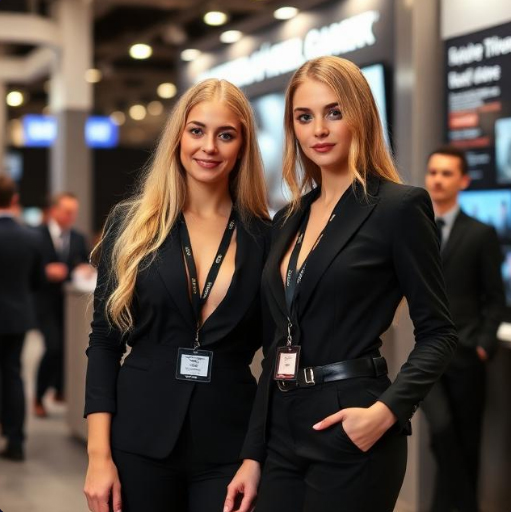
The Russian metalworking industry is a sector defined by precision, scale, and high-stakes commercial relationships. At its heart are major international exhibitions like Metalloobrabotka, which serve as the primary platforms where equipment manufacturers, technology suppliers, and industry buyers converge to showcase innovations and sign multi-million-ruble contracts. In this environment, where a single technical specification can determine a deal’s success, the professional interpreter is not a luxury but a strategic necessity.
A Landscape of Scale and Technical Complexity
Russia’s premier metalworking event, Metalloobrabotka, hosts over 1,200 companies from countries including China, India, Turkiye, Italy, and Belarus, across more than 75,000 square meters of exhibition space. The show features everything from heavy metal-cutting machines to robotic complexes, CNC systems, AI solutions, and digital twins—all demonstrated in operation. The event’s significance is underscored by visits from senior government officials, including the Russian Prime Minister, highlighting the industry’s strategic importance.
Why Specialized Interpreters Are Essential
Navigating Technical Terminology
The metalworking industry is among the most terminology-dense fields in manufacturing. A general translator is ill-equipped to handle discussions involving terms like CNC programming (“ЧПУ”), metallurgical analysis (“спектральный анализ”), forging (“ковка”), and heat treatment (“термообработка”). A professional interpreter must understand the technical vocabulary to accurately convey specifications, tolerances, and compliance standards, as any misunderstanding in these areas could lead to costly production errors or safety hazards.
Supporting International Business and Trade
Russia is a major player in metals production, and the influx of international exhibitors at Moscow’s trade shows—particularly from China, Turkiye, and India—has dramatically increased the demand for specialized interpreters. These professionals are essential for:
- Contract discussions: Interpreting supply agreements, joint venture terms, and technical specifications with precision.
- Trade regulations and documentation: Accurately translating customs documentation and compliance requirements.
- Technical training: When foreign engineers visit for equipment installation, operator training, or maintenance troubleshooting, interpreters with mechanical engineering knowledge are vital for explaining complex procedures.
Supporting Industry Conferences and Delegations
Trade shows like Metalloobrabotka feature extensive conference programs with over 40 events, roundtables, and strategic sessions. Interpreters provide simultaneous or consecutive interpretation for speakers, ensuring international attendees can fully participate in technical presentations and B2B meetings. They bridge the gap between Russian experts and foreign delegates, enabling smooth knowledge transfer.
Cultural and Commercial Mediation
Russian business culture places a premium on formal communication, directness, and building trust-based relationships. A skilled interpreter acts as a cultural bridge, navigating these nuances to facilitate successful negotiations and ensure both parties’ expectations are clearly understood.
Key Metalworking Events in Moscow
Several major exhibitions throughout the year require professional interpreting services:
| Exhibition | Focus Area | Key Details |
|---|---|---|
| Metalloobrabotka | CNC machine tools, robotics, laser technologies, automation | May 2026. Over 1,200 exhibitors, 39,000+ visitors. The industry flagship event. |
| RIMTOS | Metalworking equipment, tools, additive technologies, robotics | October 2026. Organized by the Russian Machine Tool Builders Association “Stankoinstrument”. |
| NMF EXPO | Full spectrum of metalworking equipment and tools | October 2025. Organized by an industry association. |
Selecting the Right Interpreter
When hiring an interpreter for a Moscow metalworking exhibition, exhibitors are advised to look for:
- Industry-Specific Experience: A proven track record in metallurgy, machining, or industrial processes.
- Technical Glossaries and Preparation: A commitment to reviewing product catalogs and key terminology in advance.
- Language Pair Proficiency: Fluency in Russian and the exhibitor’s language (Chinese, English, Turkish, etc.).
- Familiarity with Russian Standards: Knowledge of GOST standards and EAC certification requirements.
In the competitive and technologically advanced arena of Moscow’s metalworking trade fairs, a professional interpreter is a strategic investment—a force multiplier who ensures a company’s advanced machinery, cutting tools, and automation solutions are understood, trusted, and ultimately purchased. They are the unseen partners in every successful deal, transforming the noise of a global exhibition into a clear channel for commercial success.