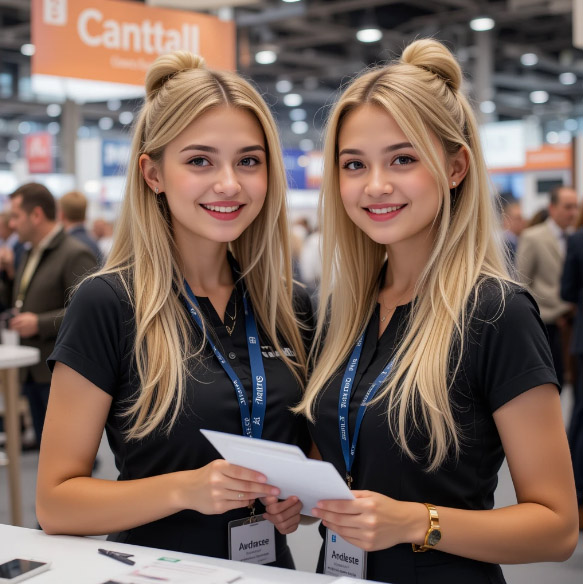
Moscow is a key global hub for defense and military technology, hosting major international exhibitions such as ARMY, MAKS Aerospace Salon, and International Maritime Defense Show (IMDS). These events bring together government officials, military experts, and defense contractors from around the world, making professional interpreters indispensable for secure and effective communication.
Why Are Interpreters Essential in the Defense Sector?
- High-Stakes Negotiations
- Defense deals involve sensitive discussions on arms sales, joint ventures, and technology transfers.
- A single misinterpretation can lead to diplomatic or financial repercussions.
- Technical and Classified Terminology
- The defense industry uses highly specialized jargon (e.g., radar systems, ballistic missile tech, avionics).
- Interpreters must have security clearance and deep subject-matter expertise.
- Compliance with International Regulations
- Discussions often involve ITAR (International Traffic in Arms Regulations) and other export controls.
- Precise language ensures legal compliance and avoids violations.
Types of Defense Industry Interpreters in Moscow
1. Conference Interpreters (Simultaneous & Consecutive)
- Used in panel discussions, briefings, and high-level meetings (e.g., between Russian and foreign defense ministers).
- Often work in soundproof booths at events like ARMY Forum.
2. Technical Interpreters for Factory Tours & Demonstrations
- Accompany delegations visiting Rosoboronexport, Almaz-Antey, or Uralvagonzavod.
- Translate live explanations of tanks, fighter jets, missile systems, and electronic warfare tech.
3. Diplomatic & Military Interpreters
- Assist in bilateral defense agreements and NATO-Russia liaison communications (where applicable).
- Must understand military protocols and geopolitical sensitivities.
Key Challenges for Defense Interpreters
✔ Security Clearances – Many assignments require background checks due to classified content.
✔ Extreme Precision – Misinterpreting a weapon’s specs or contract clause can have serious consequences.
✔ Handling Classified Discussions – Interpreters often sign NDAs (Non-Disclosure Agreements).
How to Choose the Right Defense Interpreter in Moscow
- Industry Expertise – Look for linguists with experience in aerospace, naval systems, or cyber warfare.
- Security Vetting – Prefer interpreters who have worked with Rosoboronexport, Rostec, or military delegations.
- Language Pairs – Most in-demand: Russian ↔ English, Chinese, Arabic, French, Hindi.
- Remote vs. On-Site – For sensitive talks, in-person interpreting is preferred over digital solutions.
In Moscow’s defense sector, interpreters are more than just language experts—they are critical facilitators of global military cooperation. Whether supporting arms trade negotiations, translating technical documents, or enabling diplomatic dialogue, their role ensures accuracy, confidentiality, and successful international partnerships.
For defense contractors and government agencies, investing in highly vetted, specialized interpreters is not just an option—it’s a necessity for secure and effective communication.
Need a trusted defense interpreter in Moscow? Let us know your requirements, and we can help connect you with qualified professionals.