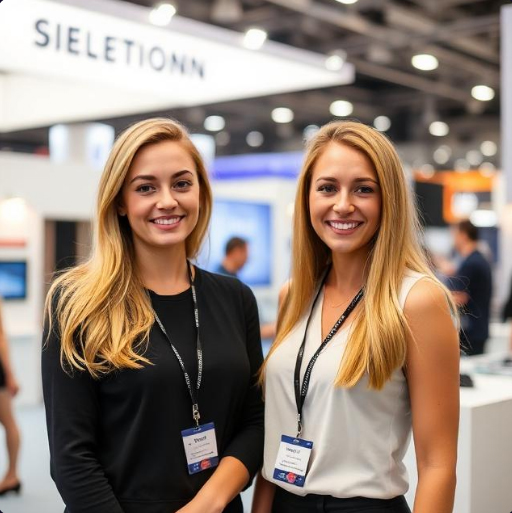
The cavernous halls of Crocus Expo in Moscow are a world away from quiet pastures. During major events like AGRAVIA (formerly AGROS) and the Meat & Poultry Industry Russia exhibition, these venues transform into high-stakes commercial ecosystems. Here, the future of Russia’s agricultural sector is negotiated, with deals for cutting-edge genetics, advanced milking systems, and complex feed formulations being struck in rapid-fire conversations.
AGRAVIA alone brings together over 1,000 exhibitors from more than 25 countries and attracts over 30,000 professional visitors. The Meat & Poultry Industry Russia exhibition, held annually since 2001, operates on a “from feed to food” concept, covering the complete animal protein production chain. In this environment, the professional interpreter is not a luxury but a strategic necessity—the critical link ensuring that innovative solutions are understood and commercial partnerships are forged.
Beyond Translation: The Specialist Knowledge Required
The lexicon of the livestock industry is dense and highly specific. A general translator is ill-equipped to handle the technical discussions that define these events. A professional interpreter specializing in agribusiness must possess a deep command of terminology across multiple domains:
- Animal Husbandry and Genetics: Understanding distinctions between breeding lines, reproductive technologies (artificial insemination, embryo transfer), and production metrics like “feed conversion ratio” or “milk yield per cow.”
- Feed and Nutrition: Accurately translating details about compound feed, premixes, feed additives, and the formulations of complete rations for different species and production stages.
- Veterinary Science and Animal Health: Precise knowledge of disease names (e.g., Foot-and-Mouth Disease, African Swine Fever), vaccination protocols, diagnostic instruments, and pharmaceuticals.
- Meat Processing and Equipment: Familiarity with the journey from slaughter to packaging, including terms for refrigeration, deboning, portioning, and quality control equipment.
- Farm Infrastructure and Machinery: Understanding the vocabulary for milking robots, ventilation systems, waste management, and feed milling technology.
A mistranslation in any of these areas—whether a misstated dosage for a veterinary drug or an incorrect specification for a feed processing system—can lead to operational failures, regulatory issues, or a complete breakdown of trust.
The Interpreter as Cultural and Commercial Mediator
Success in the Russian market is not solely about language; it is built on relationships (отношения). Russian business culture often places a premium on formalities, trust-building, and a nuanced negotiation style that can differ significantly from Western or Asian approaches.
A skilled interpreter acts as a cultural bridge, performing several crucial functions:
- Booth Interpretation and Lead Qualification: On the exhibition floor, interpreters are the face of a company. They engage visitors, handle initial technical questions, and quickly identify key decision-makers—such as farm owners, procurement heads from retail giants, or government regulators. This saves valuable time for senior technical staff and sales directors.
- Technical Meetings and Commercial Negotiations: In high-stakes one-on-one meetings, the interpreter facilitates every detail of a deal, from technical specifications and delivery schedules to payment terms and after-sales support. They ensure absolute clarity, preventing misunderstandings that could jeopardize major contracts.
- Seminar and Presentation Support: Many trade shows feature extensive business programs, including roundtables and technical seminars. Interpreters provide simultaneous or consecutive interpretation for speakers, ensuring that an international audience can fully participate and engage with the content.
- Navigating the New Trade Landscape: With shifting geopolitical dynamics, the profile of international exhibitors at Moscow’s shows has evolved. There is now heavy demand for interpreters fluent in Mandarin, Turkish, and other languages, reflecting the influx of new suppliers from Asia and the Middle East. These interpreters are the “glue” holding new trade alliances together.
The Key Livestock Events in Moscow
Professional interpreters are in high demand across several major events, most of which are held at the Crocus Expo International Exhibition Center or the Timiryazev Exhibition Center.
| Exhibition | Focus Area | Key Details |
|---|---|---|
| AGRAVIA | Full livestock spectrum, crop production, processing | January, Crocus Expo. Over 1,000 exhibitors, 30,000+ visitors. The premier event for the EAEU region. |
| Meat & Poultry Industry Russia | Meat processing, poultry, feed production, cold chain | May, Timiryazev Centre. “From feed to food” concept. Features the interactive “Meat Battle” competition. |
| Veterinary in Agriculture | Veterinary diagnostics, pharmaceuticals, animal health | June, Novosibirsk. Specialized event for veterinary professionals. |
| AgroFarm | Animal husbandry, genetics, veterinary medicine, feed | February, Moscow. Specialized B2B event for livestock professionals. |
Selecting the Right Interpreter
When hiring an interpreter for a livestock trade show in Moscow, exhibitors are advised to look for:
- Industry-Specific Experience: A proven track record in agriculture, veterinary science, or food processing.
- Technical Glossaries and Preparation: A commitment to reviewing product catalogs and key terminology in advance.
- Professional Demeanor: The interpreter is representing a company’s brand and must be articulate, poised, and reliable under pressure.
- Understanding of Russian Standards: Familiarity with relevant regulatory requirements like EAC certification, veterinary certificates, and GOST standards.
An Investment in Clarity and Credibility
In the competitive and specialized arena of Moscow’s livestock trade fairs, leaving communication to chance is not a risk worth taking. A professional agricultural interpreter is a strategic investment—a force multiplier who ensures that a company’s advanced genetics, superior feed solutions, and innovative processing technologies are not just seen, but understood, trusted, and ultimately purchased. They are the silent partners in every successful deal, transforming the noise of a global exhibition into a symphony of commercial success.