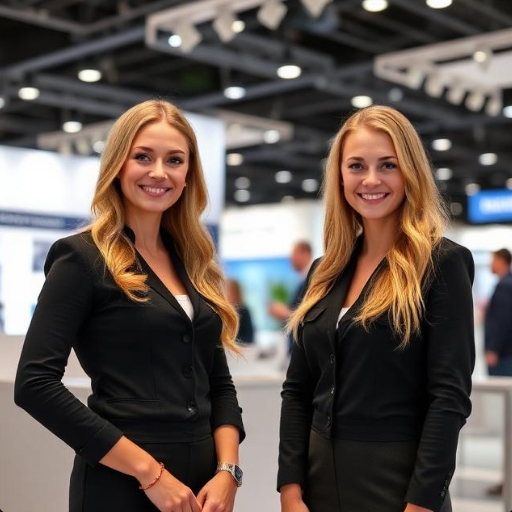
Russia’s electric vehicle (EV) and sustainable transport sector is rapidly evolving, with dedicated exhibitions emerging as vital hubs for industry innovation and international cooperation. Events such as ElectroTrans, part of the Russian Urban Mobility Week, and RENWEX, the International Exhibition & Forum for Energy Saving, Green Energy and Electric Vehicles, are central to this transformation. These events gather thousands of experts and companies from across Russia, Europe, and Asia, turning Moscow into a key meeting point for the future of mobility. For international exhibitors and attendees, the importance of professional English-Russian interpretation in this high-stakes environment cannot be overstated.
The EV Exhibition Landscape in Moscow
The Russian EV exhibition scene is diverse, covering everything from urban transport policy to cutting-edge charging infrastructure.
ElectroTrans is the flagship event for urban electric transport, focusing on trams, trolleybuses, and electric buses. The 2026 edition, expected to be held in September, will bring together 3,500+ experts from 1,000+ companies across the Eurasian Economic Union and Asia. Another major event is RENWEX, which takes place each April. Supported by the Russian Ministries of Energy and Industry and Trade, the 2026 edition featured over 50 companies from Russia, China, and Belarus, showcasing technologies in renewable energy and e-mobility.
These events are not just trade shows; they are multi-day congresses featuring strategic sessions on industry development, international cooperation, and the latest trends in EV and charging technology.
Why Interpreters Are Critical for the EV Sector
The complexity of the EV industry makes professional interpretation a strategic necessity, not an administrative detail.
1. Mastering Highly Specialized EV Terminology
The EV industry has a unique and rapidly evolving lexicon. An interpreter must be fluent in the technical vocabulary of:
- Battery technology: discussing energy density, battery management systems (BMS), and thermal runaway protection.
- Charging infrastructure: distinguishing between AC/DC fast chargers, explaining power output (kWh), and the specifics of connector standards in Russia.
- E-Mobility systems: understanding terms like regenerative braking, autonomous driving features, and vehicle-to-grid (V2G) technology.
As one source notes, a generalist interpreter might say “fast charger,” but an EV specialist understands the difference between a 50kW and a 350kW charger and the implications for a fleet operator’s business model.
2. Navigating Different Interpreting Scenarios
An interpreter’s work at an EV trade show is dynamic and demanding. They are called upon for a variety of tasks, each requiring a different communication approach:
- Simultaneous Interpreting: Crucial for the high-level keynote speeches and panel discussions at the RENWEX forum, where experts discuss government policy and market trends.
- Consecutive Interpreting: Perfect for the detailed, technical meetings between engineers and buyers, such as when a Chinese EV component manufacturer is negotiating the specifics of a supply contract with a Russian OEM.
- Product Demonstrations: Helping to guide visitors through a live test drive or the operation of a new charging station, translating technical specifications into tangible benefits for a potential Russian customer.
3. Bridging Business Cultures and Regulatory Landscapes
Beyond language, the interpreter acts as a cultural and regulatory guide. Russian and international business cultures often have different approaches to negotiation and documentation. An experienced interpreter helps navigate these differences. Furthermore, entering the Russian market requires a deep understanding of local regulations, such as compliance with EAEU (Eurasian Economic Union) standards and certification processes for automotive products. An interpreter familiar with these requirements can be an invaluable asset in technical and compliance discussions.
Case Study: The EV Industry from a Chinese Perspective
The growing synergy between China and Russia in the EV sector highlights the critical role of interpretation. Chinese companies are major participants in Russian EV events, showcasing advanced solar technologies, energy storage systems, and even battery production lines. Professional Chinese-Russian interpreters are thus in high demand. They not only translate technical terms like “photovoltaic technology” but also bridge the gap between the different business negotiation styles prevalent in China and Russia, facilitating successful cross-border cooperation in this vital sector.
As Russia’s electric vehicle market continues to grow, with events like RENWEX and ElectroTrans serving as its primary stage, the role of the English-Russian interpreter becomes ever more critical. These professionals are the silent architects of successful international collaborations, ensuring that technical specifications, business strategies, and regulatory requirements are communicated with precision and cultural awareness. For any international company looking to power up its presence in the Russian EV market, investing in a professional interpreter is not just a cost—it is a strategic investment in success.