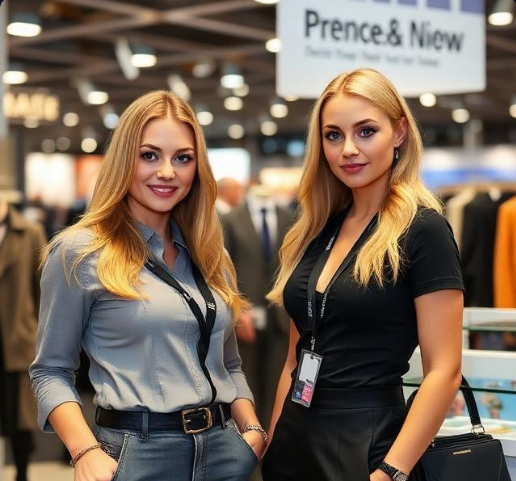
In the high-pressure environment of Moscow’s Main Stage Exhibition Centre, where international commerce unfolds against a backdrop of cutting-edge displays and relentless deal-making, a successful interaction hinges on more than just a firm handshake or a polished product. It hinges on clarity. For the global businesses that flock to this premier venue, the difference between a missed connection and a signed contract often comes down to one key professional: the Russian-English interpreter.
Far from being a passive linguistic tool, a professional interpreter at the Main Stage is a dynamic business partner, a cultural navigator, and a guardian of accuracy. When a Chinese chemical company needs to explain technical specifications to a Russian buyer, or a German engineer troubleshoots a problem with a local supplier, the interpreter moves beyond simple translation to become the very engine of communication.
The Many Faces of Exhibition Interpreting
The Main Stage Exhibition Centre is a sprawling complex with a total area of 12,000 to 30,000 square meters, designed to host major international events. Within this vast space, the interpreting needs are as diverse as the industries on display. Professional agencies typically provide two primary forms of interpretation, each suited to different scenarios.
Consecutive Interpreting: The Art of the Deal
The most common form of interpretation on a busy exhibition floor is consecutive interpreting. In this mode, the interpreter listens to a speaker for several sentences or a short paragraph, then renders the message into the target language. This style is ideal for business meetings, one-on-one negotiations at a booth, and site tours. Its strength lies in its accuracy and personal touch, allowing both parties to speak naturally while the interpreter ensures every detail is captured.
Simultaneous Interpreting: For the Global Stage
For formal presentations, seminars, or product launches held within the Main Stage’s conference facilities, simultaneous interpreting is the gold standard. In this high-intensity mode, the interpreter speaks at nearly the same time as the original speaker, delivering the message through headphones to an audience. This requires intense concentration, specialized equipment, and often a team of interpreters working in shifts. It allows a multinational event to flow seamlessly, with no pauses for translation.
More Than Words: A Day in the Life
What does a typical day look like for a Russian-English interpreter at an exhibition like Interlakokraska or InterCharm at the Main Stage? The reality is demanding and multifaceted.
- The Master of the Booth: A booth interpreter is often the first point of contact. They must greet visitors, answer technical questions, and explain complex products clearly and accurately. When a visitor shows genuine interest, the interpreter facilitates the conversation, relaying questions to the exhibitor and summarizing the visitor’s needs in English.
- The Lead Generator: A skilled interpreter doesn’t just translate; they qualify leads. They listen for key details—budget, timeline, specific needs—and provide “immediate English summaries of important leads” to the sales manager, allowing the team to prioritize follow-ups effectively.
- The Technical Expert: In specialized fields like chemicals, coatings, or beauty technology, an interpreter must quickly learn industry-specific terminology. A professional agency will provide a brief beforehand, but a top-tier interpreter will study materials to ensure they can handle any question that comes their way.
The Professional Advantage: Why You Can’t Afford to “Wing It”
It can be tempting for an international exhibitor to rely on a bilingual friend or a fellow attendee to help out at their booth. However, as Moscow-based service providers point out, this is a high-risk gamble. While you might find someone, “one can never be sure if his new assistant will suit him or not, and if this person will be well-qualified to handle his duties”.
Professional interpreting services offer a critical advantage:
- Reliability and Preparation: A booked interpreter is guaranteed to be there on time, having already studied your products and goals. Reputable agencies allow clients to review interpreter CVs and speak with them on the phone in advance.
- Certified Accuracy for Official Matters: For signing contracts, notarizing deals, or any interaction with government agencies, a certified interpreter with formal credentials is often a legal necessity.
- Cultural Fluency: A professional doesn’t just translate words; they translate intent. They understand the nuances of Russian and Western business etiquette, preventing misunderstandings that can derail a deal.
The Key to Success: Plan Ahead
Demand for qualified Russian-English interpreters in Moscow is consistently high. The busiest exhibition seasons see professionals booked weeks or months in advance. To ensure you have the right support at the Main Stage, experienced agencies advise contacting them as early as possible and providing any relevant materials—presentations, product brochures, attendee lists—to help your interpreter prepare for a flawless performance.
At the Main Stage Exhibition Centre, where the world comes to do business, a professional interpreter is not an expense; they are your most valuable asset. They are the voice of your brand, the bridge across the language divide, and the silent partner in every successful handshake.