The Russian hospitality industry is a land of immense opportunity. Valued at over $25 billion, the HORECA (Hotel, Restaurant, Café) market attracts international suppliers eager to equip Moscow’s finest establishments with everything from premium ingredients to commercial kitchen technology and innovative guest management solutions. At the center of this dynamic ecosystem is PIR Expo, the largest and most influential professional event for the hospitality industry in Russia and Eastern Europe. Taking place annually at the Crocus Expo International Exhibition Center, PIR Expo brings together over 30,000 industry professionals and more than 1,200 companies showcasing the full spectrum of hospitality solutions—from gourmet products and kitchen appliances to franchise opportunities and AI-driven customer service tools.
But the path to a successful deal is rarely a straight line. It winds through crowded aisles, involves complex technical discussions, and requires navigating a distinct Russian business culture. In this environment, the professional English-Russian interpreter is not just a translator—they are the strategic partner that transforms a promising exhibition into a profitable one.
Understanding the Exhibition Landscape
PIR Expo: The Crown Jewel
For nearly three decades, PIR Expo has maintained its status as a must-attend event for hospitality professionals across Russia and Eastern Europe. The 2026 edition marks the 29th year of the exhibition, continuing its tradition of uniting leading producers and suppliers with hospitality business operators. The event is organized around three core pillars: Restaurant, Coffee, and Hotel.
The exhibition’s scale demands stamina and preparation from exhibitors and interpreters alike. Held at Crocus Expo, Pavilion 3, Halls 13, 14, and 15, the venue is massive. Visitors include restaurateurs, hotel managers, and F&B buyers from across Russia and CIS countries, all looking for new products and business partners.
Beyond PIR Expo: MITT
Another major event in the hospitality calendar is MITT, Eurasia’s leading international exhibition for travel, tourism, and hospitality. With over 32 years of industry reputation, MITT attracts more than 900 exhibitors and 17,000 visitors from over 40 countries. The event connects destinations, tour operators, travel technology providers, airlines, and hospitality leaders—making it a vital platform for international brands looking to enter the Russian market.
Why Hospitality Trade Shows Demand Professional Interpreters
The Interpreter vs. The Hostess: Understanding the Difference
At Russian trade shows, two distinct roles are frequently seen—and knowing the difference is critical for exhibitors.
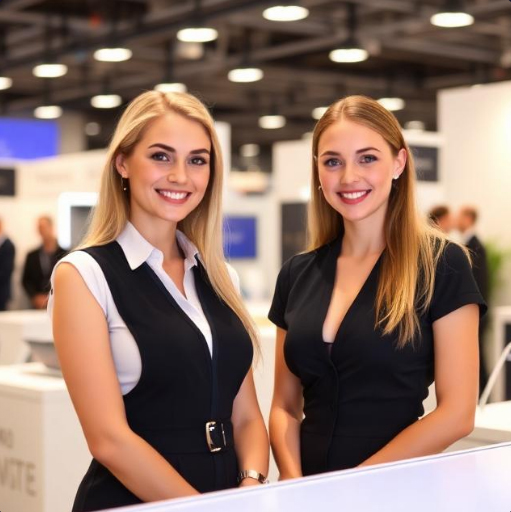
- The Booth Hostess (Greeter): Their primary role is hospitality. They greet visitors, manage traffic flow, offer samples, and handle basic registration. While some hostesses speak English, their expertise lies in engagement, not complex negotiation.
- The Professional Interpreter (Translator): This is your strategic partner. They handle consecutive interpretation during B2B meetings, translate technical specifications for commercial kitchen equipment or refrigeration systems, and navigate the nuanced terrain of Russian negotiations. A savvy exhibitor often hires both: a hostess for initial attraction, and an interpreter for the deep-dive conversations that lead to sales.
The “Third Guest” Phenomenon: Cultural Navigation
In Russian B2B culture, relationships are paramount and direct confrontation is often avoided. A professional interpreter acts as a buffer, understanding cultural subtext and diplomatic phrasing. If a Russian buyer thinks a price is too high, they might make an indirect comment. The interpreter understands this nuance and can phrase the objection diplomatically, allowing the sales representative to respond without losing face.
Technical Accuracy is Non-Negotiable
The HORECA industry is filled with specialized jargon. Confusing a “blast chiller” with a “freezer,” or mistranslating terms related to “import substitution ingredients” (a major trend in Russia) can cost a deal. Professional interpreters prepare glossaries in advance to ensure that terms like “smart kitchen automation” and “zero-waste solutions” are translated with 100% technical accuracy.
Finding the Right Interpreter
Where to Look
Professional interpreters in Moscow can be sourced through specialized agencies. MoscowInterpreters.Ru, for example, is a reliable interpreting service provider based in Moscow that covers major languages including English, Russian, and Chinese. Their interpreters support a wide range of activities at trade shows, including seminars, workshops, corporate presentations, sales meetings, and business negotiations.
TransEurope, another Moscow-based agency, provides both simultaneous and consecutive translation services for exhibitions, business meetings, and receptions. They emphasize the importance of booking interpreters in advance, as professional interpreters are in high demand. They also allow customers to review interpreters’ CVs and speak with them by phone before booking, ensuring a good match for technical requirements.
Key Traits to Look For
When hiring an interpreter for a hospitality trade show, prioritize these qualities:
- Technical Specialization: Look for interpreters with experience in hospitality, food service, or commercial equipment terminology.
- Cultural Fluency: They must understand Russian business culture, including indirect communication styles and formal negotiation protocols.
- Exhibition Experience: Familiarity with venues like Crocus Expo is a significant advantage—these spaces are massive and require stamina.
- Preparation Willingness: The best interpreters request advance materials such as product catalogs, technical specifications, and presentation slides to prepare properly.
- Professional Presentation: As a representative of your brand, the interpreter should project professionalism and confidence.
Practical Tips for Exhibitors
Prepare Your Interpreter
A great interpreter is prepared. The “Briefing Breakfast” is a valuable practice: take your interpreter for coffee 30 minutes before the doors open. Walk them through your product. Show them the unique selling points. If you are selling wine, let them taste it. If you are selling machinery, show them the manual. This preparation transforms a good interpreter into a great one.
The Technical Briefing
Provide comprehensive materials well in advance: technical data sheets, product manuals, compliance certificates, and a glossary of your top 50 product names and key marketing terms. Some agencies recommend meeting with the interpreter before the event to provide detailed background information on the participants and other important details.
Manage Their Energy
Interpreting is mentally exhausting. If you are running a busy booth for eight hours, consider scheduling two interpreters to swap every 60–90 minutes. A tired interpreter makes mistakes; a fresh one closes deals.
Book Early
Given the current market dynamics, high-quality English-Russian interpreters are in high demand for specific event dates. Do not wait until the week before PIR Expo. Professional agencies emphasize that booking well in advance is essential to securing top talent.
Cost Considerations
Interpretation services in Moscow are typically charged based on half a day (up to 4 hours) or full day (up to 8 hours). For technical hospitality exhibitions, exhibitors should expect to pay a premium for experienced specialists. Booking last minute often incurs surcharges, and out-of-town events may require additional travel and accommodation costs.
Conclusion: An Investment in Success
The Russian HORECA market is hungry for innovation, sustainability, and quality. International exhibitors who invest in the right tools—and the right people—are best positioned to succeed. A professional English-Russian interpreter is not an expense; they are the bridge between your international brand and the lucrative tables of Moscow’s finest establishments. In the world of hospitality, the most important service is being understood.
