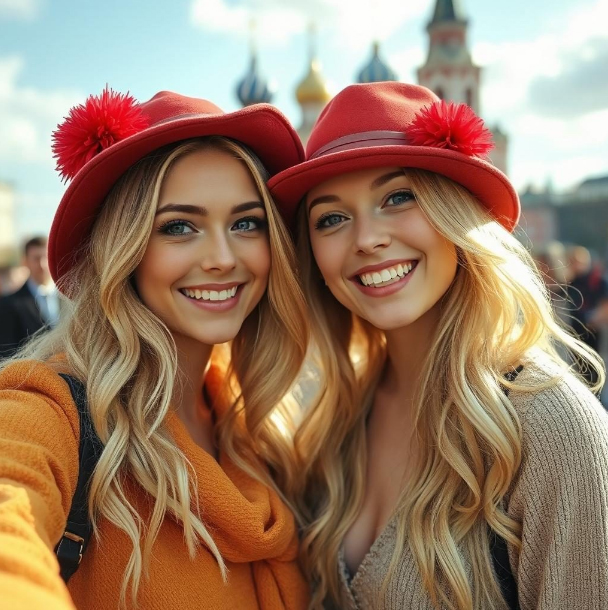
In Moscow, a walking tour guide is far more than someone who knows the way. They are storytellers, decoders of historical detail, and bridges connecting visitors to the deeper layers of the city. Whether winding through ancient alleys or strolling the neighborhoods immortalized in great literature, a skilled guide can transform an ordinary walk into a journey through time.
Why Choose a Walking Tour?
Moscow’s charm often hides in the details. An unremarkable apartment building may be a writer’s former home. A quiet lane may conceal a forgotten story. A walking guide’s value lies in weaving these fragments into a coherent narrative. Unlike bus tours, walking allows visitors to truly “touch” the city—to feel the texture of old facades, hear echoes in courtyards, even catch the scent of a bakery on a corner.
For foreign visitors, guides also serve as language and cultural translators. A guide fluent in Russian, English, German, or other languages helps visitors cross not just geographical barriers but also the threshold of cultural understanding.
Types of Guide Services
Moscow’s walking tour services fall into several tiers.
Free city walks are the most accessible entry point. Since 2026, Moscow has offered more than 1,000 free walking routes covering 120 districts across the city, with scheduled departures every week. These routes are designed by professional guides and cover themes such as historic neighborhoods, architecture, and literary landmarks, typically lasting 1.5 to 3 hours. Participants simply book in advance through the relevant platforms.
Museum-affiliated tours offer a deeper option. Many Moscow museums, such as the Bulgakov Museum, organize walking routes closely tied to their exhibitions. The “Moscow of Bulgakov” series, for example, leads participants to the Patriarch’s Ponds, the “bad apartment,” and other locations described in The Master and Margarita, blending literary reading with on-site experience.
Private custom tours suit visitors with specific interests or flexible schedules. Independent guides like Marina Kamashina offer personalized routes on themes such as Arbat alleys and Zamoskvorechye patterns, starting at 5,000 rubles per group. Art historian Natalia Minayeva focuses on old streets like Ostozhenka and Prechistenka, interpreting architecture and history through an art-historical lens.
Professional interpreter-guides serve foreign visitors with business or in-depth communication needs. These guides typically charge by the day, from $180 to $400, providing not just commentary but also accompanying interpretation and itinerary coordination.
Popular Routes and Themes
Moscow’s walking routes are remarkably diverse, covering virtually every area of interest.
Literary themes are among the most popular. There are multiple variations of Bulgakov-related routes, from the footsteps of The Master and Margarita to the writer’s own life trajectory, each with a different emphasis. For lovers of Russian literature, these routes offer a unique “walking into the book” experience.
Historic neighborhood walks let visitors glimpse old Moscow. The Ivanovskaya Gorka and Khitrovka area, once among Moscow’s most dangerous districts, is now a popular route for exploring the city’s underworld history and architectural diversity. The merchant quarter of Zamoskvorechye preserves the commercial atmosphere of 19th-century Moscow, where the world Ostrovsky described—”every little house, every door familiar”—remains recognizable.
Architecture and urban development themes suit visitors interested in urban form. The avant-garde architecture route in the Presnya district introduces the industrial architectural heritage of the 1920s and 1930s, including the automated bakery converted into the Zotov Center and the Bakhmetevsky Bus Garage designed by Konstantin Melnikov.
Beyond Bulgakov, themes such as “Moscow Merchants,” “Silver Age,” and “Tatar Settlement” interpret the city through the lenses of social class, artistic movements, and ethnic integration.
How to Choose the Right Guide
Check credentials and certification. Moscow has an official guide certification system. Certified guides typically undergo professional training and assessment, giving them a more systematic command of the city’s history. On booking platforms, certification marks are clearly indicated.
Check language ability. If you need English, German, or another foreign language service, confirm the guide’s language proficiency in advance. Some guides note their service languages on platforms—Evgenia Piskunova, for example, offers tours in Russian, English, and German.
Check reviews and experience. On guide booking platforms, ratings and review counts are important reference points. A guide rated 4.9 or above with hundreds of reviews usually indicates consistent service quality.
Clarify your own needs. If you are interested in a specific theme—Bulgakov, architecture, merchant history—finding a guide with expertise in that field will yield a richer experience than a generalist. Guides with backgrounds as art historians, historians, or literary scholars often provide depth that ordinary guides cannot reach.
Practical Information
Price range: Free routes cover a wide range of basic themes; private guides range from 5,000 rubles per group (about 2 hours) to $180–$400 per day, depending on the guide’s qualifications, language ability, and tour length.
Booking: Free routes are usually booked through Moscow’s official tourism platforms or related project websites, with popular routes requiring booking 14 days in advance. Private guides can be contacted directly through guide booking platforms or arranged through travel agencies.
Duration and pace: Most walking routes last 2–3 hours with moderate walking distances. Some routes include indoor stops (such as museum visits or entry into historic buildings), accommodating different fitness levels.
Walking is the most honest way to understand Moscow. Without the barrier of a car window or the rush of an itinerary, there is only the conversation between footsteps and streets. And a good guide is the most reliable translator in that conversation.