The Khimia International Exhibition for the Chemical Industry and Science is one of Russia’s most established trade events, held since 1965. The 29th edition is scheduled for 9–12 November 2026 at the Timiryazev Centre in Moscow. For the hundreds of foreign exhibitors who participate each year — from China, India, Iran, Belarus, Kazakhstan, and beyond — the Russian interpreter is often the single most important hire they will make.
Why Khimia Needs Specialized Interpreters
Chemical exhibitions are not general trade shows. The vocabulary is technical, the discussions are precise, and the stakes are high. A mistranslated specification, a misunderstood safety requirement, or a garbled explanation of a product’s application can derail a potential partnership before it begins.
Interpreters working at Khimia must navigate terminology covering petrochemicals, polymers, fertilizers, pharmaceutical chemistry, laboratory equipment, and industrial safety — often in the same conversation. The business program at Khimia 2026 includes discussions on digital technologies and scaling chemical processes, agricultural chemistry, pharmaceutical chemistry, foreign trade in the chemical industry, cooperation with African countries, and trade and investment cooperation with India. Each of these topics demands its own linguistic register.
The Role at the Booth
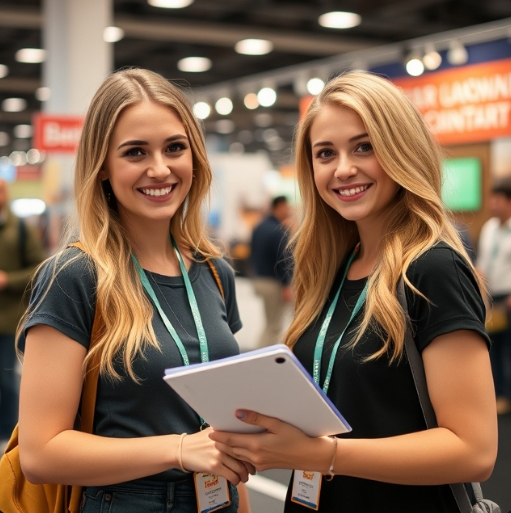
For foreign exhibitors, the most common arrangement is a booth interpreter — sometimes advertised as a “hostess interpreter” — who stands at the company’s stand throughout the exhibition, typically from 10 a.m. to 6 p.m. each day.
The work involves continuous verbal interpreting between Russian and the exhibitor’s language, answering visitor questions, explaining product features and applications clearly, and relaying important leads or technical queries back to the company representative in real time. Unlike conference interpreting, which happens in scheduled sessions, booth interpreting is spontaneous and relentless. Conversations overlap, visitors arrive in waves, and the interpreter must maintain focus and accuracy for the full four-day run.
One agency in Moscow advertises “Russian Hostess Interpreter Translator” services specifically for Khimia at Expocentre, reflecting the established demand for bilingual professionals who can represent foreign companies at their stands.
Language Pairs in Demand
The most sought-after language combination is Russian–English, reflecting English’s role as the default lingua franca of international business. However, exhibitors from specific countries often seek interpreters in their native languages. Chinese companies, which represent a significant share of international participants at Khimia, need Russian–Chinese interpreters who understand both chemical terminology and the commercial culture of Russian business meetings. Indian exhibitors may require Russian–English or Russian–Hindi support.
Some interpreters at chemical exhibitions work with multiple language pairs, moving between English, Russian, and a third language as conversations shift. This versatility is valuable but demands a high level of linguistic control and the ability to switch registers without losing accuracy.
What Makes a Good Khimia Interpreter
Beyond language skills, effective booth interpreters at chemical exhibitions need several qualities that are rarely listed in formal qualifications.
Commercial awareness ranks high. A good interpreter understands that their role is not merely to translate words but to facilitate business. They recognize when a visitor is a serious potential buyer rather than a casual browser, and they summarize key technical questions and lead information for the exhibitor in a useful format.
Technical adaptability matters. Chemical exhibitions involve specialized terminology, and interpreters who can absorb a briefing on product specifications in advance — and then use that vocabulary accurately under pressure — are far more effective than those who rely on general language skills alone.
Stamina is essential. Four consecutive days of standing, speaking, and listening in a busy exhibition hall is physically and mentally demanding. Experienced booth interpreters know to wear comfortable clothing and shoes, and to pace themselves through the event.
Planning Ahead
For companies planning to exhibit at Khimia 2026, the search for qualified Russian interpreters should begin months in advance. The best interpreters are booked early, particularly for an exhibition of Khimia’s scale — the 2026 edition expects over 500 exhibitors from more than 40 countries.
When hiring, exhibitors should provide the interpreter with advance materials: product descriptions, technical specifications, key talking points, and a list of common questions they expect from Russian visitors. A well-briefed interpreter becomes not just a language bridge but a genuine asset at the stand.
The Khimia exhibition is a meeting place for manufacturers, technology suppliers, and industry decision-makers. For foreign companies, the presence of a skilled Russian interpreter is what allows them to participate fully — to explain, to negotiate, and to build the relationships that make an exhibition worth attending.