The vast exhibition halls of Moscow’s Crocus Expo and Expocentre hum with activity during major textile fairs like Interfabric and Textillegprom. These events—running biannually in spring and autumn—bring together thousands of exhibitors and tens of thousands of professional visitors from Russia, Turkey, India, China, Belarus, and beyond. Amid the swirl of fabric swatches, technical specifications, and high-stakes negotiations, one professional stands at the center of the action: the Russian interpreter.
For international exhibitors, understanding the value of a qualified interpreter at a Moscow textile fair is not merely a logistical detail—it is often the difference between a handshake and a signed contract.
Mastering a Language of Texture and Technology
The textile industry speaks a highly specialized lexicon that general translators often struggle to navigate. At exhibitions like Interfabric, which features eight specialized salons covering everything from clothing fabrics to technical textiles and medical textiles, interpreters must be fluent in a complex terminology:
- Composition and weave: Precisely differentiating between “cotton poplin,” “linen twill,” and “jacquard weave” (поплин, твил, жаккард), and accurately conveying blends like “65% polyester, 35% viscose.”
- Technical specifications: Explaining “thread count” (плотность ткани), “GSM” (граммаж), “abrasion resistance” (стойкость к истиранию), and “colorfastness” (устойчивость окраски).
- Finishes and treatments: Articulating the benefits of “Teflon coating” (тефлоновое покрытие), “enzyme wash” (энзимная промывка), and “mercerization” (мерсеризация).
- Sustainability and certification: Conveying the importance of “OEKO-TEX Standard 100” and “recycled materials” (переработанные материалы).
A mistranslation in tensile strength or shrinkage rates can result in costly production errors. A professional interpreter with textile industry knowledge builds immediate credibility, assuring Russian manufacturers and designers that they are dealing with a knowledgeable and reliable partner.
The Art of the Russian Business Negotiation
Beyond the technicalities, cultural dynamics are paramount. Russian business culture at exhibitions often operates with its own rhythm—negotiations can be intensive, direct, and punctuated by periods of silence for internal deliberation.
A skilled interpreter understands that “tone” is as important as “text.” They are trained to replicate the firmness of a buyer’s position or the subtle flexibility in a supplier’s voice. They guide international visitors through the nuances of Russian hospitality—understanding that accepting tea at a booth is often the precursor to serious discussion—while ensuring that delivery schedules, payment terms, and exclusivity contracts are rendered without ambiguity.
This cultural and commercial liaison function is especially valuable when navigating the broader CIS sourcing landscape. Moscow serves as the gateway not just to the Russian market but to the Commonwealth of Independent States, and interpreters often facilitate conversations with suppliers from Uzbekistan, Belarus, and other regional players.
Beyond Translation: The Stand Hostess Role
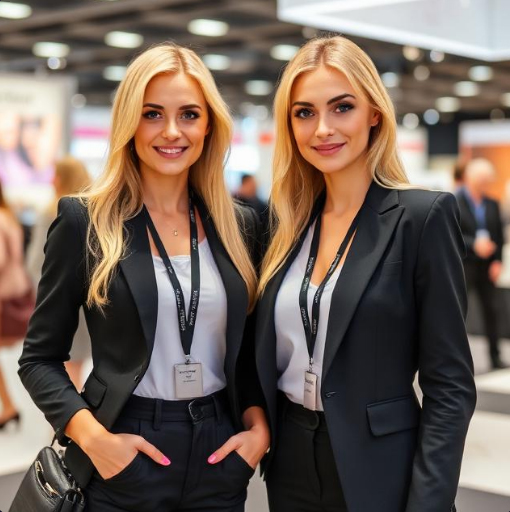
Many international exhibitors hire Russian-speaking stand hostesses who combine interpretation with marketing and sales support. These professionals are more than linguistic conduits—they are brand ambassadors who:
- Greet visitors and proactively engage high-value buyers
- Answer questions about material composition, pricing, and lead times
- Assist with sample displays and swatch requests
- Collect business cards and lead information for follow-ups
A polished, welcoming hostess makes a booth more inviting and can spot serious buyers in the crowd. The best candidates often come from fashion or textile backgrounds—students from Moscow State Textile University frequently work part-time at these events. For high-end textile brands, exhibitors typically seek experienced professionals with proven trade fair experience and knowledge of textile terminology.
The Trend Spotter and Cultural Bridge
Fabric is driven by trends. An experienced interpreter also serves as a cultural advisor, helping international brands understand local preferences. They might note current Russian demand for certain colors, patterns, or sustainable materials, providing invaluable context that goes beyond translation.
They are also tasked with conveying the brand’s story—whether it’s the heritage of a Scottish tweed mill or the innovative eco-credentials of new recycled polyester. This storytelling builds an emotional connection around the fabric, elevating it from a simple commodity to a material with provenance and purpose.
An Indispensable Investment
For an international fabric producer, the cost of exhibiting in Moscow is significant. Major events like Interfabric feature business programs with over 30 thematic sessions and speakers from the Russian Ministry of Industry and Trade, the Eurasian Economic Commission, and international industry experts. To attempt navigating this environment without a professional interpreter who grasps the intricate world of textiles is to risk having the most luxurious fabric remain on the roll, its value lost in translation.
Hiring a specialized Russian interpreter for a textile fair is not an expense—it is a strategic investment in clarity and connection. These professionals ensure that quality, innovation, and beauty are understood, appreciated, and purchased. They are the skilled weavers who bind the threads of international commerce, ensuring every conversation is as smooth and strong as the finest silk.