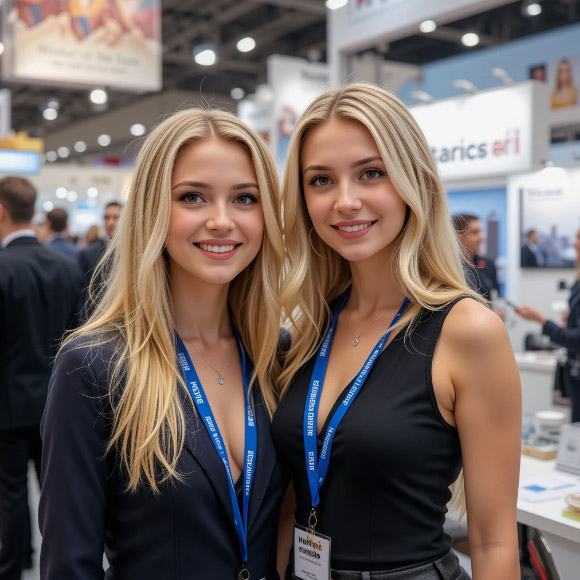
In today’s interconnected world, international events—such as conferences, summits, trade shows, and cultural festivals—bring together people from diverse linguistic backgrounds. When Russian-speaking participants are involved, professional event interpreters become essential for seamless communication. This article explores the importance of Russian interpreters at events, the different types of interpretation services they provide, and how they ensure successful cross-cultural interactions.
Why Are Russian Interpreters Crucial for Events?
Russia plays a significant role in global business, politics, science, and culture. As a result, many international events include Russian-speaking delegates, speakers, or attendees. Without proper interpretation, language barriers can lead to:
- Miscommunication in high-stakes negotiations
- Reduced engagement from non-English-speaking participants
- Inefficient presentations and discussions
A skilled Russian event interpreter ensures that all participants—whether they speak Russian, English, or another language—can fully engage in the event without misunderstandings.
Types of Event Interpretation Services
Depending on the event format, different interpretation methods may be used:
1. Simultaneous Interpretation
- Best for: Large conferences, live broadcasts, and international summits.
- How it works: Interpreters translate in real-time while the speaker talks, often using headsets and soundproof booths.
- Example: A Russian CEO giving a keynote speech at a global tech conference while interpreters relay the message in English, Chinese, or other languages.
2. Consecutive Interpretation
- Best for: Business meetings, panel discussions, and Q&A sessions.
- How it works: The interpreter listens to a segment of speech, then translates it during pauses.
- Example: A roundtable discussion where Russian and European executives take turns speaking, with an interpreter facilitating the exchange.
3. Whispered Interpretation (Chuchotage)
- Best for: Small meetings or VIP events where only a few attendees need translation.
- How it works: The interpreter whispers the translation directly to the listener without equipment.
- Example: A Russian investor attending an English-speaking networking event with whispered translations.
4. Remote Interpretation
- Best for: Hybrid or virtual events, webinars, and online conferences.
- How it works: Interpreters provide real-time translation via video conferencing platforms with multilingual audio channels.
- Example: A Russian scientist presenting at an international medical symposium via Zoom, with live interpretation for global attendees.
Key Qualities of a Professional Russian Event Interpreter
Not all interpreters are suited for live events. The best Russian event interpreters possess:
✔ Fluency & Technical Knowledge – Mastery of both languages, plus familiarity with industry-specific terminology (e.g., legal, medical, or tech jargon).
✔ Quick Reflexes & Concentration – Ability to process and translate speech instantly without delays.
✔ Cultural Sensitivity – Understanding of Russian business etiquette and social norms to avoid miscommunication.
✔ Professional Equipment Handling – Experience with interpretation booths, microphones, and digital platforms for hybrid events.
Common Challenges for Russian Interpreters at Events
Even the most skilled interpreters face hurdles, such as:
- Fast-speaking presenters – Some speakers talk quickly, making real-time interpretation difficult.
- Slang and idioms – Informal language can be tricky to translate accurately.
- Technical difficulties – Poor audio, unstable internet (for remote events), or malfunctioning equipment can disrupt interpretation.
To mitigate these issues, event organizers should:
- Provide interpreters with prep materials (speeches, glossaries, slides) in advance.
- Conduct sound checks before the event.
- Hire experienced interpreters familiar with the event’s subject matter.
Russian interpreters are indispensable for ensuring smooth communication at international events. Whether it’s a high-profile business summit, a scientific conference, or a cultural festival, professional interpreters bridge the language gap, allowing all participants to engage effectively.
For event planners, investing in qualified Russian interpreters—whether for on-site, remote, or hybrid settings—can make the difference between a successful event and one plagued by miscommunication.
Need a Russian Interpreter for Your Next Event?
If you’re organizing an event with Russian-speaking attendees, ensure seamless communication by hiring certified interpreters with event experience. Contact professional interpretation agencies or freelance specialists to match your event’s needs.
Would you like recommendations on finding the best Russian interpreters for conferences or corporate events?