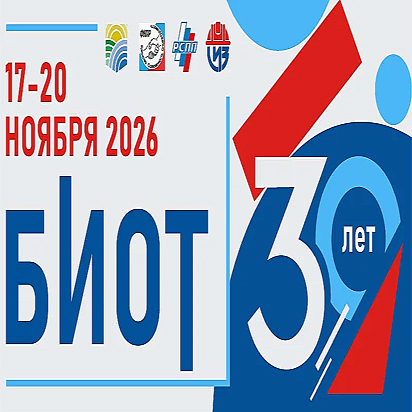
The BIOT International Specialized Exhibition and Forum on Safety and Labor Protection stands as a cornerstone event for the occupational safety industry in Russia and globally. The 2026 edition marks a significant milestone—the 30th anniversary of this flagship exhibition—and will be held from November 17 to 20, 2026, at the Crocus Expo Exhibition Center in Moscow.
For international exhibitors, the opportunity is substantial. The event attracts an audience of decision-makers: heads of major Russian and foreign companies, representatives of federal and regional government bodies, business owners, and specialists in procurement, industrial safety, and occupational health. However, success at this high-stakes event depends on far more than innovative products. It hinges on one critical asset: the professional Russian interpreter with expertise in safety and labor protection.
A Different Kind of Exhibition
BIOT is not a standard trade fair. Organized under the General Agreement between the all-Russian associations of trade unions, employers’ associations, and the Government of the Russian Federation, it is a key platform for demonstrating modern personal protective equipment (PPE) and shaping a culture of safe work. Key organizers include the Ministry of Labor and Social Protection of the Russian Federation, the Russian Union of Industrialists and Entrepreneurs (RSPP), and the Association of PPE Developers, Manufacturers, and Suppliers.
In an environment where human lives are literally at stake, the margins for error are zero. A mistranslated safety instruction or misinterpreted equipment specification can have consequences far beyond a lost contract—it can result in accidents, injuries, or even fatalities. This is where the right interpreter becomes indispensable.
The High Stakes of Precision
The lexicon of occupational safety is vast and carries life-or-death weight. At BIOT, exhibitors present everything from advanced personal protective equipment and smart respiratory protection devices to digital tools for managing occupational risks and industrial safety systems. The exhibition also covers topics such as environmental safety, corporate health, and HR issues.
A professional interpreter must be fluent in the specific terminology of this field. In industrial sectors like oil and gas, experience shows that a translator’s error is not just a slip-up—it can result in incidents, accidents, or even human fatalities. An interpreter working at BIOT must understand the difference between a “practical exercise for closing wellhead preventers” and a mistranslation that suggests drilling through a preventer—a confusion that could lead a crew to follow dangerous instructions.
The Three Pillars of the Safety Booth Assistant
The Technical Bridge
The BIOT exposition features innovative Russian technologies, cutting-edge PPE, and digital risk management tools. The 2026 program also places significant emphasis on artificial intelligence and proactive tools for professional development. An interpreter must translate not just words but also the nuances of testing standards, certification requirements, and operational performance claims. They ensure that a foreign engineer’s explanation of a new respiratory protection device or safety system is understood with absolute precision.
The Navigator of Trust
In Russian business culture, relationships come before contracts. At BIOT, this is amplified by the safety-sensitive nature of the industry. The interpreter acts as a cultural bridge, conveying respect and professionalism. They understand how to address officials by their proper titles, navigate the formalities of Russian government and corporate culture, and facilitate the initial handshake that builds long-term partnerships.
The Lead Qualifier and Information Capturer
Experienced BIOT interpreters quickly identify who holds the purchasing power: the business owner, the procurement specialist, the industrial safety manager. They qualify leads, capture contact details, and provide detailed feedback to the sales team—turning a busy stand into a pipeline of sales opportunities.
Who You Need and How to Find Them
Interpreters at this level require specialized backgrounds. Many professional interpreters have experience specifically at industrial and safety exhibitions, with a deep understanding of the technical vocabulary required.
What to Look For
- Industry Experience: Look for interpreters with proven experience at safety exhibitions, in industrial environments, or with clients in occupational health and PPE.
- Prior Knowledge of BIOT: Professionals who have worked this specific exhibition understand its scale, its audience, and its unique rhythm.
- Technical Preparation: Ask potential interpreters to explain key safety concepts—like “personal protective equipment,” “industrial safety,” or “respiratory protection”—to test their industry knowledge.
How to Prepare
To maximize the value of an interpreter at BIOT, preparation is crucial:
- Provide Materials in Advance: Share product brochures, technical specifications, and presentations early so the interpreter can build a customized safety glossary.
- Test Technical Knowledge: During selection, ask them to explain key terms related to your specific product category—whether it’s PPE, safety monitoring systems, or industrial hygiene solutions.
- Discuss Commercial Goals: Brief the interpreter on your pricing strategy, target customer profiles, and key talking points. An interpreter who understands your commercial objectives becomes a strategic asset, not just a linguistic tool.
BIOT 2026 is the gateway to the Russian occupational safety market. Don’t let the language barrier be the barrier to safety—or success.
Date: November 17–20, 2026
Venue: Crocus Expo Exhibition Center, Pavilion 1, Halls 1 and 4, Moscow
Book a professional interpreter. Turn technical dialogue into contracts, and contracts into lasting partnerships.