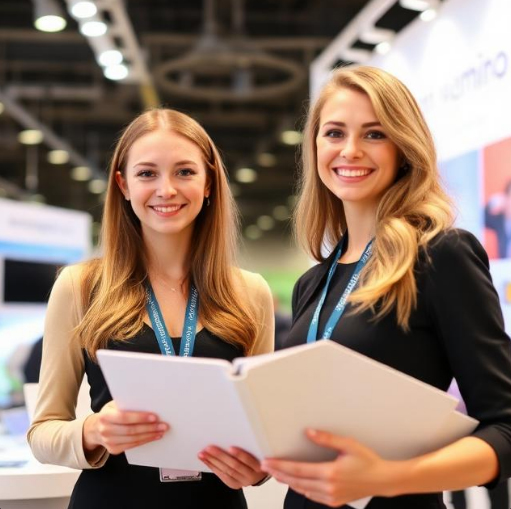
Event Details
- Event: WorldFood Moscow International Food and Drink Exhibition.
- Venue: Crocus Expo International Exhibition Centre, Pavilion 3, Moscow, Russia.
- Dates: September 15–18, 2026.
- Significance: WorldFood Moscow is a premier international food trade fair and a key entry point for the Russian food market. The event attracts over 26,000 professional buyers and more than 1,100 exhibitors from numerous countries. It serves as a major meeting place for food manufacturers, distributors, importers, and retail chain decision-makers from across Russia and the CIS.
Role and Responsibilities
A Russian Interpreter Booth Assistant for WorldFood Moscow serves as a commercial and regulatory bridge, going beyond general translation. Key responsibilities include:
- Technical and Commercial Interpretation: Providing professional consecutive interpretation (Russian↔English/Chinese) for product presentations, tasting sessions, and B2B negotiations at the booth.
- Specialized Terminology: Accurately conveying industry-specific terms related to:
- Food safety and ingredients: Food additives, preservatives, shelf life, nutritional information, halal certification, and organic standards.
- Regulatory compliance: EAC (Eurasian Conformity) certification, food labeling laws, hygiene certificates, and customs requirements.
- Logistics and trade: Minimum Order Quantity (MOQ), lead times, private label production, and cold chain logistics.
- Tasting Session Management: Assisting with product sampling, verifying ingredient lists against Russian regulations, and explaining product characteristics to local buyers.
- Business Negotiation Support: Facilitating meetings with procurement managers from major Russian retail chains and e-commerce platforms.
- Lead Qualification and Documentation: Welcoming visitors, qualifying high-potential leads, filling out reports for exhibitors, and assisting with post-show follow-up.
- Cultural Consulting and Market Insight: Navigating Russian business etiquette, adapting product messaging to local consumer preferences, and providing real-time feedback on buyer reactions to help international exhibitors adjust their strategy on the floor.
Qualifications and Experience
A qualified candidate for this specialized role should possess:
- Language Skills: Native-level Russian with fluent English or Chinese. Knowledge of food technology or chemistry terminology is highly valued.
- Industry Knowledge: Familiarity with the food and beverage sector, including ingredients, production processes, and Russian food regulations. Many professional interpreters have backgrounds in food technology or related fields.
- Trade Fair Experience: Prior experience at WorldFood Moscow or similar food exhibitions is essential.
- Regulatory Awareness: Understanding of EAC certification, Russian food labeling standards, and sanitary inspector requirements.
- Professional Demeanor: A friendly, professional, and detail-oriented manner suited to a high-stakes trade-fair environment.
Where to Find Candidates
You can find interpreter booth assistants through specialized agencies and platforms:
- Specialized Agencies: Professional interpreting agencies offering tailored technical translation services for WorldFood Moscow, including pre-show terminology preparation and on-site support teams.
- Freelance Platforms: Various freelance platforms and interpreter databases list available translators for specific events.
- Exhibitor Support Services: Exhibition organizers and official representatives often provide translation booking as part of their exhibitor support packages.
Cost Estimates and Recommendations
The cost for a professional interpreter or booth assistant varies based on the role and required expertise:
- Standard Booth Assistant (Stand Attendant): Approximately 7,300–9,600 rubles/day for general hospitality.
- Professional Interpreter (General Food Sector): Approximately $150–$250/day for standard language services.
- Professional Interpreter (Technical/Food Technology Background): Premium rates apply for specialists with food science or technology expertise.
It is highly recommended to book interpreters at least 2–3 months in advance to allow time for pre-show preparation, including terminology reviews and product knowledge sessions. Providing detailed ingredient lists, product specifications, certification documents, and tasting scripts in Russian in advance will significantly enhance the interpreter’s effectiveness. In the Russian food market, trust and accurate technical communication are essential—a well-prepared interpreter can help international exhibitors navigate complex regulations and negotiate successfully with local buyers.