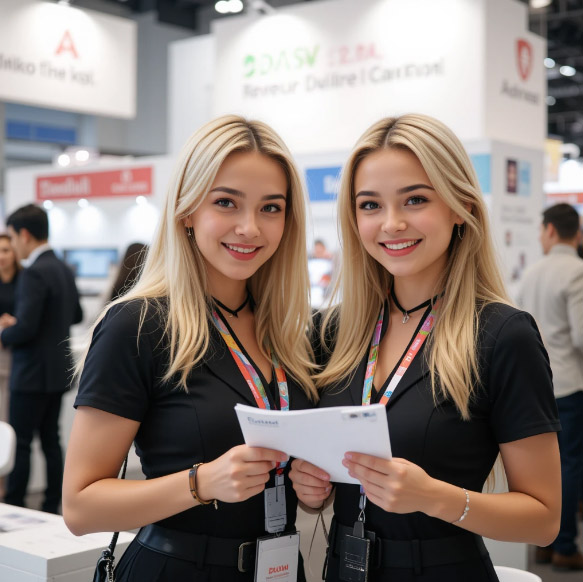
Russia’s metal working industry is a cornerstone of its industrial sector, encompassing steel production, machining, forging, welding, and advanced metallurgy. As Moscow serves as the country’s economic and technological hub, the demand for professional interpreters in this field has surged. These linguists play a pivotal role in facilitating international trade, technical collaboration, and knowledge exchange between Russian manufacturers and global partners.
Why Moscow Interpreters Are Essential for the Metal Working Industry
1. Enabling International Trade & Business Negotiations
Russia is one of the world’s top producers of steel, aluminum, and specialty alloys, with major companies like NLMK, Severstal, and RUSAL operating in and around Moscow. When foreign buyers, investors, or equipment suppliers engage with these firms, precise interpretation is crucial for:
- Contract discussions (supply agreements, joint ventures)
- Technical specifications (tolerances, material grades, compliance standards)
- Trade regulations & customs documentation
A skilled interpreter ensures that terms like “прокат” (rolled metal), “ковка” (forging), and “термообработка” (heat treatment) are accurately conveyed to avoid costly misunderstandings.
2. Supporting Technical Training & Machinery Installation
Many Russian metalworking plants use imported machinery from Germany, Japan, or China. When engineers from these countries visit Moscow for:
- Equipment installation
- Operator training
- Maintenance troubleshooting
An interpreter with mechanical engineering or metallurgy knowledge is essential to explain complex terms like CNC programming (“ЧПУ”), metallurgical analysis (“спектральный анализ”), or tooling calibration (“калибровка инструмента”).
3. Facilitating Industry Conferences & Delegations
Moscow hosts major industrial expos like Metalloobrabotka (Metalworking Exhibition) and Rosmould (Tooling & Casting Expo), where international attendees rely on interpreters for:
- Technical presentations
- B2B meetings
- Factory tours & demonstrations
Simultaneous or consecutive interpreters help bridge the gap between Russian experts and foreign delegates, ensuring smooth knowledge transfer.
4. Accurate Translation of Technical Manuals & Standards
Misinterpretations in safety protocols, GOST standards, or equipment manuals can lead to production errors or safety hazards. Professional Moscow interpreters ensure precise translation of:
- Engineering drawings & schematics
- Quality control documentation
- Welding procedures (e.g., ГОСТ Р ИСО 3834)
Key Skills of a Metalworking Industry Interpreter in Moscow
Not every linguist can handle the technical depth of this sector. The best interpreters possess:
✔ Expertise in metallurgy, machining, and industrial processes
✔ Fluency in Russian + English/German/Chinese (depending on partner countries)
✔ Experience in factory environments or trade exhibitions
✔ Knowledge of industry-specific abbreviations (e.g., ЧПУ – CNC, ЛМК – light metal structures)
As Russia’s metal working industry continues to modernize and engage with global markets, the need for specialized interpreters in Moscow will remain high. Whether for trade deals, machinery procurement, or technical collaborations, having a skilled interpreter ensures clear communication, operational efficiency, and successful partnerships.
For international businesses dealing with Russian metalworking firms, investing in professional interpretation services is not just a convenience—it’s a strategic necessity.
