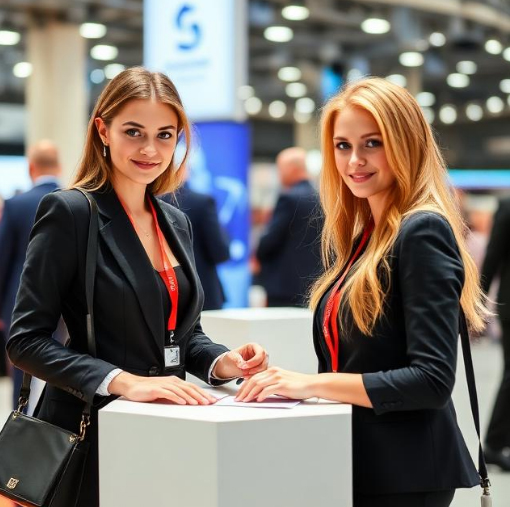
In the high-stakes world of international trade, precise communication is the currency of successful deals. Nowhere is this truer than at Moscow’s premier lighting exhibitions, such as Interlight Russia. As one of the largest and most significant events of its kind, Interlight attracts over 26,000 visitors and 365 brands from across the globe, creating a vibrant but linguistically diverse marketplace. Here, the ability to accurately translate technical specifications and business proposals is not just an advantage—it is a necessity.
The Hub of the Lighting Industry
Interlight Russia, held annually at the Crocus Expo International Exhibition Center, serves as the central meeting point for the professional lighting community. For over 30 years, it has connected a sophisticated audience of architects, lighting designers, developers, electrical installers, and government representatives. This professional community attends with clear objectives: 51% come seeking new vendors, and 44% are first-time visitors, highlighting the critical need for exhibitors to make a powerful and clear first impression.
The exhibition’s scale is matched by its complexity. It covers everything from technical and architectural lighting to decorative and festive solutions. This diversity means that conversations can range from the technical specifications of LED systems to the aesthetic nuances of design, requiring exhibitors to articulate their value proposition clearly across a wide spectrum of topics.
The Interpreter as a Strategic Asset
For international exhibitors, the exhibition interpreter is a fundamental member of the team, bridging the gap between global technology and the local market. The role is well-defined in the industry: a professional who facilitates “general business and technical conversations, ensuring precise communication during detailed negotiations”. This is far more than casual translation; it is about maintaining the nuance and professionalism required to build trust with potential Russian clients.
The specific demands of the event dictate the skills required. The business program alone features numerous panel discussions, masterclasses, and forums where accurate interpretation is essential for knowledge transfer. Furthermore, exhibitions are often accompanied by “gromkoy muzyka i besedami odnovremenno s bolshoy gruppoy uchastnikov” (loud music and conversations with large groups of participants), meaning interpreters must be able to focus and perform effectively amidst the chaos of the show floor.
This is recognized as such a vital skill that major linguistic universities in Moscow, such as the Moscow Pedagogical State University (MPGU), use major exhibitions as a training ground for their translation students, preparing them for the “congress-exhibition format”. This provides a pipeline of multilingual professionals—often fluent in English and Chinese—who are ready to support the “intense business program”.
Technical Proficiency and Local Knowledge
A successful interpreter at these events must go beyond general linguistic ability; they must also possess or quickly assimilate industry-specific knowledge. Whether explaining the features of a “flexible neon” product or the benefits of a “building automation” system, the interpreter acts as a direct extension of the exhibitor’s sales and technical teams. This is a common challenge across industries, as seen with companies in other sectors who seek interpreters capable of learning key product points to explain products “clearly” to Russian-speaking visitors.
Professional service providers in Moscow are well aware of these needs, and often list their services specifically for Interlight, highlighting their ability to handle the exhibition’s unique technical vocabulary and fast-paced environment. By handling the crucial task of “answering visitor questions” and “relaying any follow-up queries,” they free exhibitors to focus on their core business of demonstrating technology and closing deals.
For companies exhibiting at Interlight Russia, investing in a professional Russian interpreter is not an optional extra—it is a strategic necessity for market entry. These professionals are the key to unlocking the full potential of the event, ensuring that innovative technologies and compelling brand stories are communicated with clarity and cultural sensitivity. In a market defined by its sophistication and scale, the interpreter is the essential link that transforms a showcase of light into a beacon for new business.