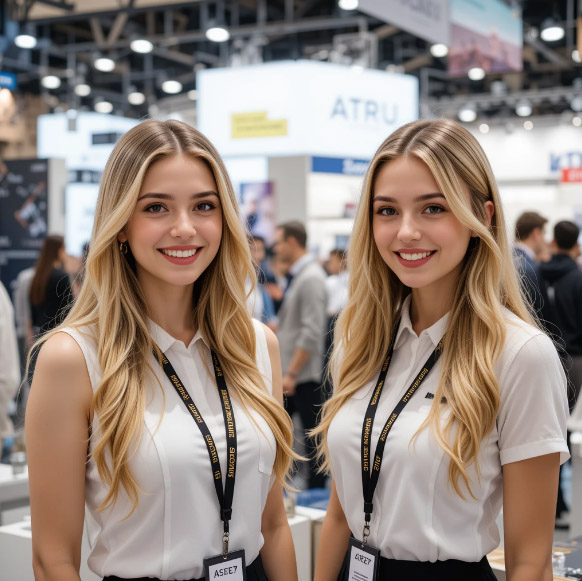
In the dazzling world of a Sound & Image Technologies Fair, the spotlight is naturally on the gear: crystal-clear 8K displays, immersive Dolby Atmos sound systems, cutting-edge VR rigs, and complex signal processing software. Exhibitors and attendees from across the globe converge to see, hear, and experience the future of audiovisual technology. But amidst the hum of amplifiers and the glow of high-definition screens, there is another critical piece of technology at work—one that is human, not digital: the professional Russian interpreter.
For international companies showcasing their products in Moscow, a highly skilled technical interpreter isn’t a luxury; they are the essential interface that connects innovation to opportunity.
More Than Words: Translating Concepts and Nuance
Interpreting at a tech fair is fundamentally different from general business interpretation. The role demands a unique blend of skills:
- Precision with Jargon: The field is riddled with specific acronyms and terminology. An interpreter must instantly and accurately convey the difference between QLED and OLED, explain latency figures, detail audio codec compatibility, or describe the intricacies of image upscaling algorithms. A mistranslation here doesn’t just cause confusion; it can misrepresent a product’s core capability.
- Bridging the Conceptual Gap: Often, the discussion isn’t just about specs, but about application. An interpreter must seamlessly translate concepts like “seamless integration,” “workflow solution,” or “user immersion” in a way that resonates with Russian system integrators, studio engineers, or retail buyers.
- Speed and Clarity in Dynamic Environments: Fair booths are chaotic. Conversations happen quickly, with background noise and constant interruptions. Interpreters must maintain focus, delivering concise and clear translations without missing a beat during a live demo or a crucial negotiation.
The Interpreter’s Role: From the Show Floor to the Meeting Room
The work of a tech interpreter varies greatly depending on the setting:
- Booth Interpretation: This is the front line. The interpreter works alongside sales and technical staff, greeting visitors, explaining product features, and answering questions. They are the face of the company for the Russian-speaking audience, directly influencing brand perception and lead generation.
- Meeting & Negotiation Interpretation: Behind the scenes, more serious talks occur. When a major Russian distributor or a corporate client wants to discuss contracts, pricing, licensing, or custom technical requirements, the interpreter becomes the strategic linchpin. Accuracy in translating numbers, contractual terms, and technical specifications is paramount to closing a deal.
- Presentation & Conference Interpretation: For keynotes or technical seminars, simultaneous interpretation is often required. The interpreter works from a soundproof booth, listening through headphones and speaking into a microphone in real-time, allowing the audience to experience the presentation in their native language without delay. This requires immense concentration and technical proficiency.
The Hallmark of a Professional: What to Look For
Not every bilingual person can interpret at this level. When hiring an interpreter for a Sound & Image tech fair, companies should insist on:
- Technical Fluency: Proven experience in the AV, IT, or engineering sectors. They should be comfortable with terms like “HDMI 2.1 bandwidth,” “object-based audio,” “pixel pitch,” and “control protocols.”
- Preparation: A professional interpreter will request materials in advance—product catalogs, spec sheets, presentation slides, and glossaries of terms. This preparation is non-negotiable for accurate performance.
- Cultural Intelligence: Understanding Russian business etiquette helps facilitate smoother interactions, building trust and rapport with potential partners.
The Bottom Line: An Investment, Not an Expense
For an international exhibitor, viewing a professional interpreter as a mere cost is a strategic error. They are a force multiplier and a risk mitigation tool. A skilled interpreter:
- Protects Your Investment: You’ve spent thousands on travel, booth space, and shipping your gear. An interpreter ensures that investment yields maximum return by enabling effective communication.
- Prevents Costly Misunderstandings: Clarifies technical details and contract terms to avoid errors that could sink a future deal.
- Enhances Professional Image: Presenting your company through a fluent, knowledgeable representative signals professionalism and respect for the local market.
In conclusion, while the latest display might capture the eye and the newest speaker might capture the ear, it is the professional Russian interpreter who captures the understanding. They are the unseen channel through which ideas are transmitted, deals are struck, and global technological partnerships are built. In the high-fidelity world of audiovisual technology, their role is to ensure there is no static on the line.