The global apparel industry runs on precision—precise cuts, precise measurements, and, crucially, precise communication. In an era where supply chains stretch from textile mills in Turkey to fashion houses in Milan and retail floors in Moscow, the apparel industry interpreter has become an essential link in the commercial chain. These professionals ensure that a fabric specification, a negotiation, or a brand story is conveyed with the same clarity and impact in Russian as it was in the original language.
A Sector in Transformation
The Russian apparel market is undergoing significant change. Following the departure of many Western brands, domestic and friendly-nation imports—from China, Turkey, India, and Belarus—have filled the gap. This shift has created a surge in demand for interpreters who can bridge the linguistic and cultural gaps between new international partners and the Russian market.
The industry is also adapting to new consumer realities. Russian buyers, while nostalgic for familiar foreign brands, have become more careful and prudent in their spending, focusing on quality and durability. This makes accurate communication about product specifications, materials, and certifications more critical than ever.
The Many Roles of an Apparel Interpreter
The work of an apparel industry interpreter spans diverse settings, each with its own demands.
Textile Exhibitions and Trade Shows
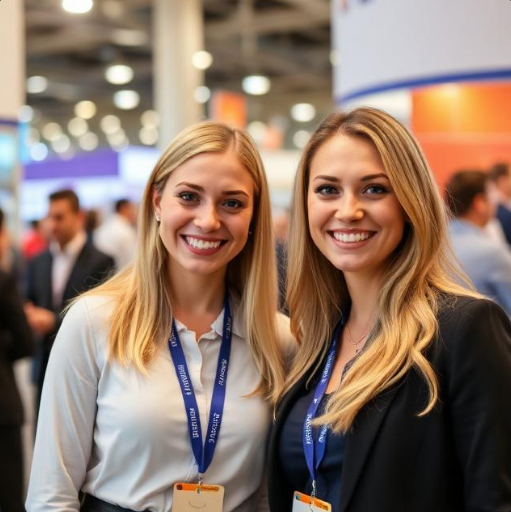
Trade exhibitions are major hubs for the industry. Here, interpreters are deployed as strategic assets, often working alongside booth assistants to engage VIP buyers. These professionals need to understand retail metrics like Minimum Order Quantity (MOQ) and Eurasian Conformity (EAC) certification to facilitate high-stakes negotiations.
A real-world example comes from a B2B meeting between Turkish textile manufacturers and Russian entrepreneurs in Moscow. An interpreter working from Turkish to Russian and vice versa described how preparatory research was essential—writing down product names, refreshing expressions related to deal-making, and using business language resources. The work was intense, involving consecutive interpretation for individual companies as Russian buyers learned about products, took samples, and negotiated cooperation.
One of the greatest challenges in this environment is industry slang. Specialized terms often cannot be found in textbooks and must be learned in the field. Teams share linguistic discoveries after shifts and grow more confident with experience. Interpreters also encounter the challenge of different names for the same fabric in different countries—a situation where creative explanation, rather than literal translation, is the solution.
Technical Translation and Localization
Behind the scenes, apparel interpreters and translators handle a wide range of written materials. The sector covers everything from textile manufacturing and printing to garment production and quality control. Interpreters in this field must be familiar with specialized terminology across the production chain, from the names of fabrics and production processes to the functions of complex machinery.
Language requirements often reflect the global nature of the industry. Major Russian companies with extensive experience in complex projects actively recruit translators and editors for their fashion localization departments.
Beyond Translation: The Cultural Bridge
In the apparel industry, interpretation is not just about words—it is about cultural intelligence. Moscow is not a one-size-fits-all market. Russian consumers have distinct preferences regarding color palettes, sizing (often shifting to Turkish or local standards), and quality expectations.
A skilled local interpreter provides more than a direct translation. They understand local business etiquette—direct eye contact, a firm handshake, and patience during negotiations. They know how to reassure a retailer about customs clearance or explain a brand’s story in a way that resonates with Russian buyers. On the exhibition floor, they can make a visitor feel like a guest rather than just a customer, helping to reduce the psychological stress associated with making a purchase.
The Skills That Define the Field
Apparel industry interpreters must possess a distinctive combination of skills:
- Specialized Terminology: Knowledge of fabrics, production processes, machinery, and quality standards. A robust technical vocabulary is essential for conveying the nuances of materials across different languages.
- Cultural Adaptation: Understanding Russian consumer preferences, business etiquette, and the broader cultural context of the market. This includes being aware of regulatory requirements like EAC certification and the practical considerations of logistics and shipping.
- Linguistic Agility: Proficiency in languages such as Turkish, Chinese, Japanese, English, or French, depending on the partner country. At high-level events, trilingual capabilities are often sought after.
- Commercial Acumen: Many interpreters work directly in business negotiations, facilitating deals involving sizable contracts. Understanding commercial terms and metrics is a valuable asset.
The Business Impact
The value of a skilled apparel interpreter is measurable. At trade exhibitions, professional staff have been shown to generate significantly more qualified leads than unattended displays. A single contract closed at an event can be worth millions of rubles—far outweighing the cost of a day’s interpretation services.
For international brands looking to enter or expand in the Russian market, localization is a strategic necessity. Studies consistently highlight the importance of brand localization, cultural adaptation, and business diplomacy for long-term success. The interpreter is the linchpin of this effort, ensuring that a brand’s story is told accurately and persuasively in its new market.
The apparel industry interpreter is a professional of remarkable range—part linguist, part technical expert, and part cultural diplomat. Whether working on a factory floor, a crowded exhibition hall, or a high-level negotiation, they ensure that the global language of fashion is spoken fluently in Russia. As the Russian apparel market continues to evolve, embracing new international partners and focusing on domestic production, the demand for these specialized professionals will remain strong. They are the invisible threads holding the fabric of global trade together.